Use Recipes as a Tool for a More Varied and Balanced Diet

Use Recipes as a Tool for a More Varied and Balanced Diet
Many of us fall into familiar eating patterns: the same go-to meals we can make without thinking and the ingredients we always keep on hand. It’s comfortable and convenient—but it can also make our diets repetitive. Recipes can be a surprisingly effective tool for bringing more variety and balance to everyday meals. Not as strict instructions, but as sources of inspiration that open the door to new flavors, ingredients, and ways of thinking about food.
Recipes as Learning Tools
A recipe is more than a list of ingredients and steps—it’s a mini cooking lesson. When you try a new recipe, you often learn a new technique, a new flavor combination, or a new way to use an ingredient. It might be roasting vegetables instead of boiling them, or using beans or lentils as a protein base instead of meat.
By using recipes actively—not just following them word for word—you gradually expand your cooking skills. Over time, you learn how to adapt dishes to your own preferences and needs, and you become more aware of how different ingredients contribute to a balanced diet.
Planning for Variety
One of the biggest advantages of using recipes is that they make meal planning easier. When you plan your week around a few different recipes, you automatically add variety to your diet. For example, you might include:
- A meatless day, focusing on plant-based proteins like beans, lentils, or tofu.
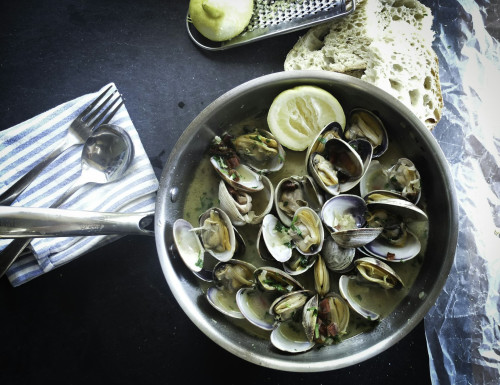
- A seafood day, where you try a new type of fish or a different cooking method.
- A leftovers night, using what’s left from earlier meals to reduce waste.
- An international dish, introducing new spices and cooking traditions to your kitchen.
Thinking in terms of recipes rather than last-minute grocery runs helps ensure you get a good mix of vegetables, whole grains, proteins, and healthy fats throughout the week.
Making Healthy Eating Easier
Many people associate healthy eating with extra effort, but recipes can actually make it simpler. Having clear instructions takes the guesswork out of cooking and makes it less intimidating to try something new. You can focus on enjoying the process instead of worrying about what to make.
Today, there are countless recipes designed for busy lifestyles—quick, easy, and nutritionally balanced. By choosing recipes that fit your schedule, such as 30-minute meals or dishes with minimal ingredients, you can make healthy cooking a realistic part of your daily routine.
Use Recipes as Inspiration, Not Rules
While recipes are great guides, it’s important to see them as flexible frameworks rather than strict rules. You can always adjust based on what you have or what you’re craving. No spinach? Use kale or broccoli. Out of chicken? Try chickpeas or tempeh instead.
When you start experimenting like this, you become more creative in the kitchen—and that’s where real variety begins. You learn to think in terms of principles rather than precise measurements, making it easier to eat a diverse diet without feeling like you’re starting from scratch every time.
Læs også:
A Path to More Mindful Enjoyment
Using recipes intentionally is ultimately about rediscovering the joy of cooking. As you explore new flavors and techniques, cooking becomes more enjoyable—and you gain a deeper understanding of what your body needs. It’s not about following a strict diet, but about finding a rhythm where cooking and eating well feel natural and satisfying.
So next time you’re wondering what to make for dinner, let a recipe inspire you. You might discover a new favorite dish—and realize that the path to a more varied and balanced diet begins with something as simple as trying something new.
Læs også: