Italian Bread Classics: Focaccia, Ciabatta, and Grissini in Use

Italian Bread Classics: Focaccia, Ciabatta, and Grissini in Use
Italy’s love affair with bread runs deep. Bread is rarely the star of the meal, yet it’s an essential companion to everything from antipasti to hearty main courses. Among the most beloved Italian breads are focaccia, ciabatta, and grissini. Each has its own story, texture, and role in Italian cuisine—and together they show how simple ingredients can create extraordinary results.
Focaccia – the airy bread with olive oil and herbs
Originating from Liguria in northern Italy, focaccia is one of the country’s most iconic breads. It’s known for its soft, airy crumb and crisp, golden surface. The dough is generously drizzled with extra-virgin olive oil, sprinkled with sea salt and rosemary, and baked until fragrant and slightly chewy.
Focaccia works beautifully as both a side dish and a standalone treat. It pairs well with soups, salads, or pasta, but it also makes an excellent base for sandwiches—try layering it with mozzarella, tomato, and basil for a simple Italian-style lunch. In Italy, focaccia is even enjoyed for breakfast or as a snack, sometimes with a slice of cheese or a drizzle of honey.
For the best texture, bake focaccia in a sheet pan so the olive oil pools in the dimples of the dough. This gives it that signature moistness and rich flavor that makes it irresistible.
Ciabatta – the rustic loaf for sandwiches and panini
The name ciabatta means “slipper” in Italian, a nod to its long, flat shape. It was developed in the 1980s as Italy’s answer to the French baguette, but it quickly became a classic in its own right. Ciabatta is characterized by its crisp crust and open, chewy crumb, making it ideal for sandwiches and panini.
The dough is wet and requires patience, but the reward is a bread with a complex flavor and texture. Ciabatta pairs perfectly with cured meats, cheeses, and grilled vegetables, and it’s a great choice for picnics or casual lunches.
To bring out its best qualities, lightly toast ciabatta slices on the grill or in the oven. The heat enhances the aroma and adds a satisfying crunch that complements both cold and warm fillings.
Læs også:
Grissini – the crisp breadsticks from Piedmont
Grissini, the thin, crunchy breadsticks, trace their origins to the Piedmont region in northern Italy. They were first created in the 17th century as an easily digestible bread for a young duke, but today they’re a staple on Italian tables.
Grissini are often served as an appetizer alongside olives, prosciutto, or cheese, and they make a perfect snack with a glass of wine. They can be simple—just olive oil and salt—or flavored with sesame seeds, rosemary, or Parmesan.
They’re easy to bake at home and stay crisp for several days if stored in an airtight container. That makes them a great addition to a charcuterie board or a party spread when you want to add a touch of Italian flair.
Bringing Italian bread to your table
While focaccia, ciabatta, and grissini are traditional, they fit beautifully into modern American meals:
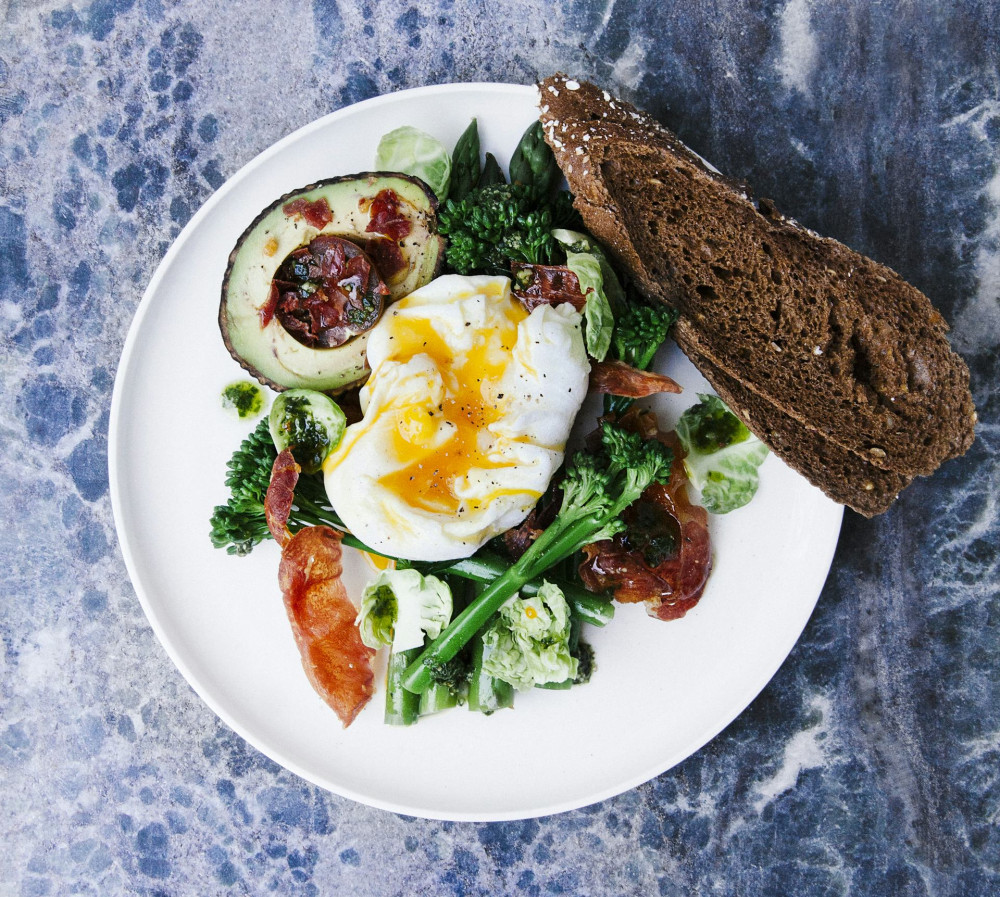
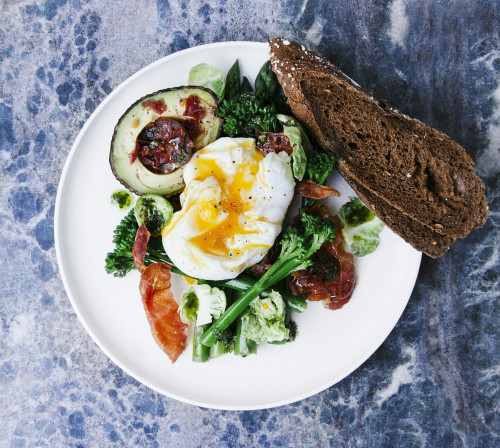
- For brunch: Serve small squares of focaccia with eggs, avocado, and tomato.
- For lunch: Make a ciabatta sandwich with grilled chicken, pesto, and arugula.
- For dinner: Use grissini as a crunchy side for creamy soups or as a pre-dinner snack.
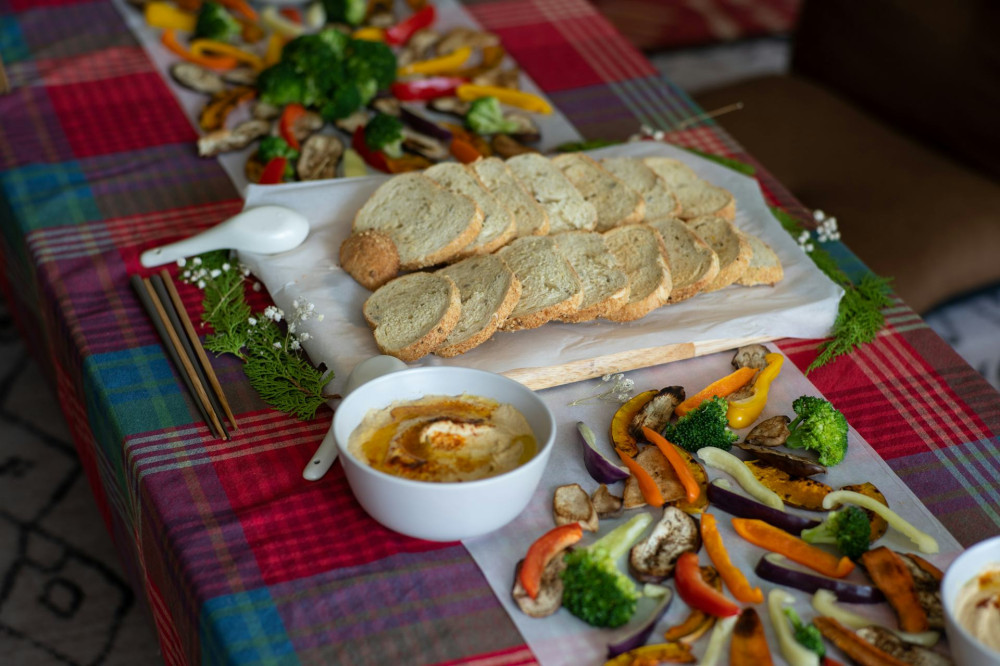
- For entertaining: Combine all three on a board with olives, tapenade, and Italian cheeses for an easy yet elegant spread.
Italian bread is more than just a side—it’s a celebration of quality, simplicity, and togetherness. Whether you bake it yourself or pick it up from a local bakery, these classics bring a taste of Italy to any table.
Læs også: