The Sensory World of Food: From Simple Pleasure to Extravagant Experience Across Cultures


The Sensory World of Food: From Simple Pleasure to Extravagant Experience Across Cultures
Food is far more than nourishment. It is a full-body experience that engages every sense — the aroma that draws us in, the colors that delight the eye, the textures that surprise the tongue, and even the sounds that accompany each bite. In a world where global flavors are just a click or a delivery away, it’s worth exploring how our senses shape the way we experience food — and how different cultures transform eating from a simple pleasure into an artful, multisensory event.
Taste as a Cultural Language
Taste is universal, but it speaks in many dialects. In the United States, “good taste” might mean comfort and familiarity — the buttery warmth of cornbread, the tang of barbecue sauce, or the sweetness of a homemade pie. In Japan, balance and subtlety define flavor; in Mexico, it’s intensity and spice; in Italy, harmony and simplicity reign.
Each culture uses taste as a language that tells stories about geography, history, and values. American cuisine, for instance, reflects a blend of immigrant traditions and regional diversity — from Cajun gumbo in Louisiana to Pacific salmon in the Northwest. Meanwhile, Mediterranean food celebrates freshness and seasonality, while Indian cuisine layers spices to create depth and complexity. Taste, in every culture, is a way of expressing identity.
The Power of Aroma – Memory and Anticipation
Smell is perhaps the most emotional of all senses. A single whiff can transport us through time and space. The scent of apple pie might recall a family Thanksgiving, while the smoky aroma of grilled meat can evoke summer evenings and backyard gatherings.
Across the world, aroma is central to the culinary experience. In Middle Eastern kitchens, spices are toasted to release their fragrance before cooking. In French cuisine, the bouquet of herbs and butter signals comfort and refinement. In the U.S., the smell of coffee brewing in the morning is almost a national ritual — a sensory cue that the day has begun. Aroma builds anticipation, and anticipation heightens pleasure.
Seeing Flavor – Eating with the Eyes
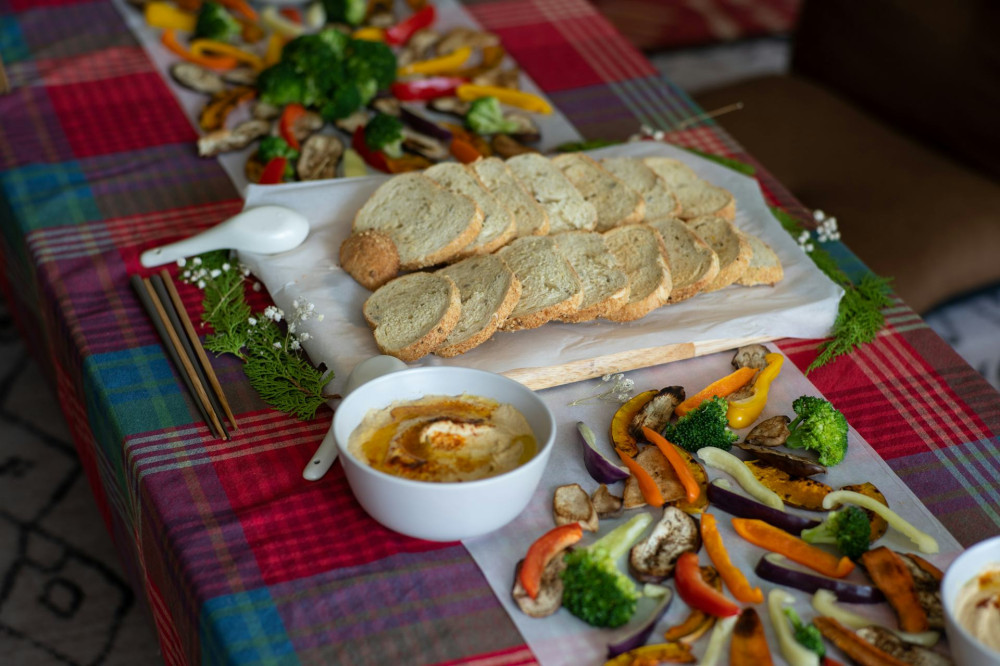
Before we taste, we see. The visual presentation of food shapes our expectations and emotions. A colorful salad suggests freshness and vitality; a minimalist plate can convey elegance and precision.
In American dining, visual creativity has become a hallmark of modern cuisine — from the artful plating of fine dining restaurants to the vibrant, Instagram-ready dishes of food trucks and cafés. In other cultures, color carries symbolic meaning: red for luck in China, green for renewal in many Mediterranean traditions. The way food looks tells a story long before the first bite.
Læs også:



Sound and Touch – The Overlooked Senses
The crunch of fried chicken, the sizzle of fajitas arriving at the table, the pop of a soda can — sound is part of food’s sensory symphony. It signals freshness, texture, and satisfaction.
Touch, too, plays a vital role. In Ethiopia, diners use their hands to scoop stews with soft, spongy injera bread. In India, eating with the fingers connects the eater to the food’s warmth and texture. Even in American culture, the tactile pleasure of breaking apart a warm cookie or shaping dough for biscuits is part of the joy of cooking. To touch food is to connect with it — to be present in the act of eating.
From Everyday Meals to Culinary Spectacle
Today, food experiences range from the humble to the theatrical. High-end restaurants use light, sound, and scent to create immersive dining experiences, while home cooks experiment with global ingredients and techniques. Yet the essence remains the same: food is about connection — between people, places, and senses.
A bowl of pho from a street vendor in Hanoi can be as moving as a multi-course tasting menu in New York. The difference lies not in complexity, but in the attention we bring to the experience. Whether it’s a backyard barbecue or a Michelin-starred dinner, the goal is the same: to delight the senses and share joy.
Food as a Shared Sensory Journey
When we share a meal, we share more than food — we share a moment of human connection. The senses are universal, transcending language and borders. We may not speak the same words, but we all understand the warmth of fresh bread, the sweetness of ripe fruit, or the comfort of a steaming bowl of soup.
Exploring the sensory world of food is, in many ways, exploring what it means to be human. Every flavor, aroma, and texture tells a story — of nature, tradition, creativity, and community. And perhaps it’s in the meeting of the simple and the extravagant that we discover the true pleasure of eating.
Læs også: