The Many Shades of Caviar: Color, Texture, and Aroma from Sea to Table

The Many Shades of Caviar: Color, Texture, and Aroma from Sea to Table
For centuries, caviar has stood as a symbol of luxury and refinement. Those tiny, glistening pearls from the depths of the sea have captivated chefs and gourmets alike with their complex flavor and delicate texture. Yet behind this exclusive delicacy lies a world of nuance—variations in color, texture, and aroma that tell the story of both nature and craftsmanship. Let’s explore the many shades of caviar and how it travels from sea to table.
From Sturgeon to Spoon – A Brief Introduction
True caviar comes from sturgeon, a family of ancient fish that includes species such as beluga, osetra, and sevruga. Each species produces its own distinctive type of caviar, much like grape varieties define different wines. Today, nearly all caviar comes from sustainable aquaculture rather than wild sturgeon, whose populations have been severely depleted. Modern farms, including several in the United States, carefully monitor water quality, diet, and habitat to ensure both ethical production and exceptional quality.
Once the eggs are harvested, they are gently rinsed, sieved, and salted—a process that transforms them into caviar. The salting, or “malossol” method, is a delicate art: too little salt and the flavor falls flat; too much and the subtlety is lost. The result depends on timing, technique, and the skill of the caviar master.
Læs også:
The Spectrum of Color
Caviar’s color ranges from deep black to shimmering gold, and each hue reveals something about the fish species and the maturity of the roe.
- Beluga caviar is prized for its large, silvery-gray pearls and buttery, creamy flavor.
- Osetra caviar varies from dark brown to golden amber, offering a nutty, complex taste.
- Sevruga caviar tends to be darker, with smaller, firmer eggs and a more intense, briny character.
Lighter caviars often have a milder, more delicate flavor, while darker varieties deliver deeper, more mineral notes. The visual appeal is part of the experience—each shade hinting at the taste journey to come.
Texture – The Subtle Difference
Texture is one of the most defining qualities of fine caviar. The best pearls are firm yet supple, rolling freely on the tongue before releasing a gentle “pop.” This moment of release—when the roe bursts and coats the palate—is what makes caviar so distinctive: a balance between resistance and melt-in-your-mouth softness.
Texture depends on species, age, and processing. Fresh caviar tends to have a livelier structure, while aged caviar becomes softer and more integrated in flavor. Professional tasters often judge quality by how the eggs separate and respond to warmth—an indicator of freshness and handling.
Aroma and Flavor – The Sea’s Fine Balance
The aroma of caviar is subtle but layered. The finest caviar should never smell fishy; instead, it carries a clean, lightly salted scent reminiscent of ocean breeze, butter, and nuts. On the palate, the flavor unfolds in stages: a gentle salinity, a creamy richness, and a lingering finish that evokes seaweed, minerals, or fresh air.
Temperature plays a crucial role. Caviar should be served chilled, but never frozen, allowing its aromas to bloom gradually. Traditionally, it’s eaten with a mother-of-pearl or bone spoon, as metal can alter the taste.
From Sea to Table – Serving and Enjoyment
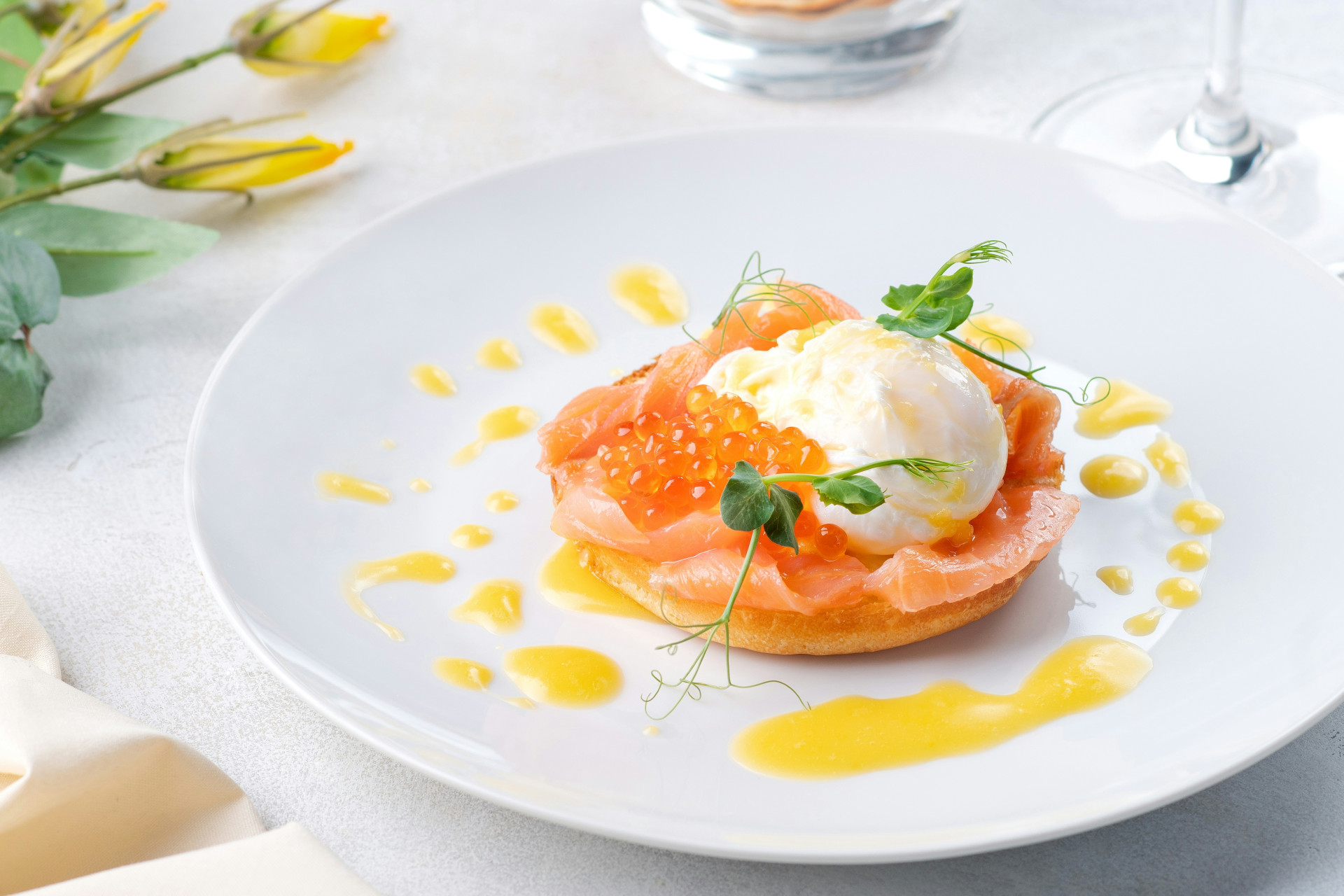
Caviar invites simplicity. The classic presentation—caviar on ice, accompanied by blinis, crème fraîche, finely chopped egg, and onion—remains timeless. Yet American chefs are increasingly experimenting with modern pairings: atop potato chips, deviled eggs, or even as a garnish for sushi or oysters.
When it comes to drinks, the goal is to complement, not overpower. Champagne, dry white wine, or chilled vodka are traditional partners, cleansing the palate and enhancing the roe’s delicate flavor. Some enthusiasts even enjoy caviar with crisp American craft lagers or sparkling sake for a contemporary twist.
Sustainability and the Future of Caviar
As wild sturgeon populations have declined, sustainable aquaculture has become essential. Today, much of the world’s caviar is produced in controlled environments that prioritize fish welfare and environmental stewardship. American producers, particularly in California and the Midwest, have emerged as leaders in sustainable sturgeon farming, offering world-class caviar with a smaller ecological footprint.
Innovative methods are also being developed to harvest roe without harming the fish, allowing for repeated spawning and a more ethical approach to production. These advances ensure that caviar can remain a luxury we enjoy responsibly.
A Feast for All the Senses
Caviar is more than a delicacy—it’s a sensory experience where color, texture, and aroma converge in perfect harmony. Each variety tells its own story of the sea, of craftsmanship, and of tradition refined through centuries. Whether you’re tasting it for the first time or savoring it as a connoisseur, caviar reminds us how nature’s simplest ingredients can become something truly extraordinary when treated with respect and care.
Læs også: