From Luxury to Everyday: Chocolate’s Sweet Journey Through Time

From Luxury to Everyday: Chocolate’s Sweet Journey Through Time
Today, chocolate is everywhere – from the candy aisle at the grocery store to the dessert menu at your favorite restaurant. It’s a comfort food, a gift, and a small daily indulgence. But chocolate hasn’t always been so accessible. Once reserved for royalty and the wealthy elite, its transformation from sacred drink to everyday treat tells a story of exploration, innovation, and changing tastes.
From Sacred Drink to European Obsession
Chocolate’s story begins more than 3,000 years ago in Mesoamerica, where the Maya and Aztec civilizations cultivated the cacao tree. They used its beans to make a bitter, frothy drink called xocolatl, believed to have divine and energizing powers. Cacao beans were so valuable that they were even used as currency.
When Spanish explorers arrived in the 1500s, they brought cacao back to Europe. At first, the drink’s bitter flavor puzzled Europeans, but once sugar, vanilla, and cinnamon were added, it became a fashionable luxury. By the 17th century, chocolate was a favorite at royal courts across Europe, served in ornate cups and celebrated for its exotic allure.
Læs også:

The Industrial Revolution and the Birth of the Chocolate Bar
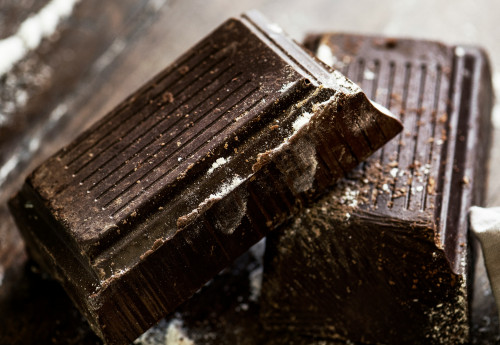
For centuries, chocolate remained a luxury item. That changed in the 19th century with the rise of industrialization. New technologies made it possible to process cacao more efficiently and to create solid chocolate. In 1847, an English company introduced the first true chocolate bar, and soon after, Swiss innovators developed milk chocolate and perfected the conching process, which gave chocolate its smooth, melt-in-your-mouth texture.
Mass production made chocolate affordable for ordinary people. What had once been a symbol of privilege became a treat for everyone—a sweet reflection of the modern age.
Chocolate in America – From Imports to Icons
Chocolate arrived in the American colonies in the 1600s, but it wasn’t until the late 1800s that it became a household staple. American entrepreneurs like Milton Hershey revolutionized the industry by combining mass production with quality and consistency. Hershey’s milk chocolate bar, introduced in 1900, became an instant classic and helped make chocolate part of everyday American life.
Soon, other iconic brands followed—Mars, Nestlé, and later Ghirardelli and Godiva—each adding their own twist to America’s growing chocolate culture. From s’mores around the campfire to Halloween candy and Valentine’s Day boxes, chocolate became woven into the fabric of American traditions.
From Mass Production to Craft and Conscious Consumption
In recent decades, chocolate has undergone another transformation. Consumers have become more interested in where their chocolate comes from and how it’s made. This has sparked a bean-to-bar movement, led by small American chocolatiers who emphasize craftsmanship, ethical sourcing, and the unique flavors of different cacao varieties.
At the same time, chocolate has reclaimed its place as a gourmet experience. Artisanal bars infused with sea salt, chili, or exotic fruits show that chocolate can be as complex and expressive as wine or coffee.
The Future of Chocolate – Sweet, but Sustainable
Chocolate’s future depends on more than just taste. Climate change, labor conditions, and the sustainability of cacao farming are pressing challenges for the industry. Many companies are now investing in fair trade practices, reforestation projects, and innovations that protect both farmers and the environment.
We may see more locally produced chocolate, new cacao hybrids, and even plant-based alternatives in the years ahead. But one thing is certain: chocolate will continue to delight, comfort, and connect people—just as it has for centuries.
Læs også: