Quality Over Quantity: How to Get the Most Flavor for Your Food Budget


Quality Over Quantity: How to Get the Most Flavor for Your Food Budget
Eating well doesn’t have to mean spending a fortune—it’s about spending wisely. With grocery prices rising and many households trying to stretch their budgets, it can be tempting to reach for the cheapest options. But often, you can get far more flavor, satisfaction, and quality from your money by rethinking your priorities. Here’s how to make the most of your food budget without sacrificing taste or enjoyment.
Think Like a Chef, Not Just a Shopper
When professional chefs plan a menu, they don’t simply buy the most expensive ingredients—they focus on using what they have to its fullest potential. You can bring that same mindset into your own kitchen.
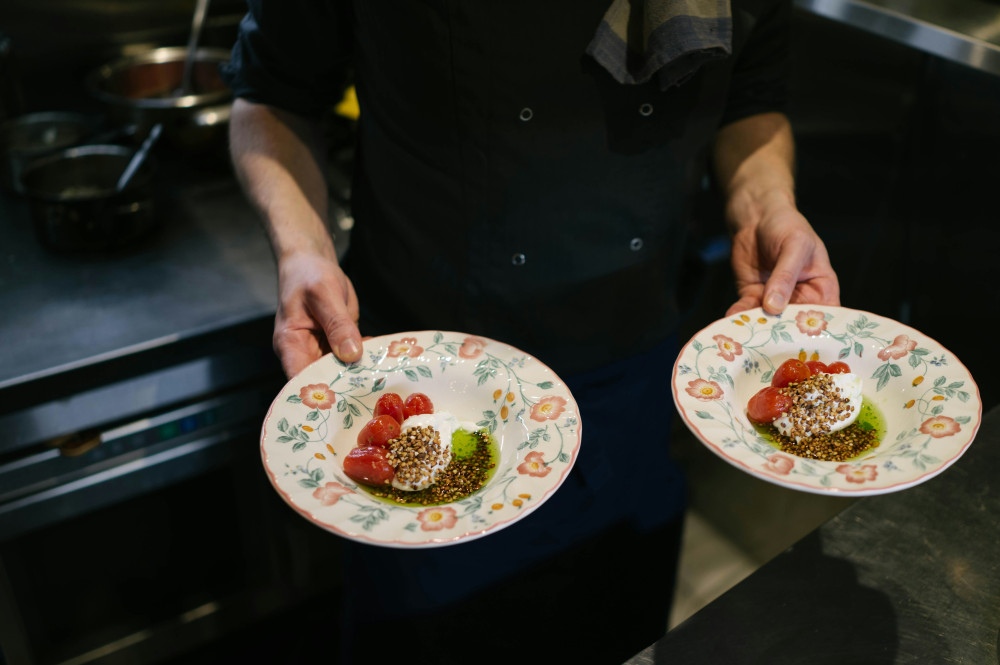
Instead of buying large quantities of average ingredients, choose fewer but better ones. A high-quality olive oil, freshly ground pepper, or a good cut of meat can elevate an entire dish. Let quality carry the flavor, not quantity.
Læs også:



Seasonal Produce Is Your Secret Weapon
One of the easiest ways to get more flavor for your money is to eat with the seasons. When fruits and vegetables are in season, they’re not only cheaper but also taste their best. Summer tomatoes burst with sweetness, while winter squash and root vegetables bring warmth and depth to soups and stews.
Check what’s in season in your area and plan your meals around it. Farmers’ markets and local co-ops are great places to find fresh, affordable produce—and you’ll be supporting local growers at the same time.
Less Meat, More Flavor
Meat is often the most expensive part of a meal, but you don’t have to give it up entirely to save money. In fact, using smaller amounts of meat can make your dishes more interesting when you pair it with vegetables, beans, or grains.
Try using bacon or sausage as a flavor accent in pasta or soups rather than the main ingredient, or make hearty vegetable-based dishes like chili or stir-fry where meat plays a supporting role. It’s healthier, more budget-friendly, and better for the planet.
Use Every Bit
Food waste is one of the biggest drains on both your wallet and the environment. But with a little creativity, you can make the most of every ingredient.
Save vegetable scraps like onion skins and carrot peels to make homemade broth. Turn stale bread into croutons or breadcrumbs. Use herb stems in sauces or soups, and make pesto from carrot tops or beet greens. A bit of planning can turn what might have been waste into something delicious.
Dine Out with Intention
Eating out doesn’t have to be an indulgence you rarely allow yourself—it’s about choosing wisely. Instead of going for quantity—buffets or oversized portions—seek out smaller restaurants that focus on craftsmanship and fresh ingredients.
A lunch special at a good local bistro can offer more satisfaction than an expensive but forgettable dinner. Many restaurants also feature seasonal menus or daily specials that deliver great value and quality.
Planning Is the Key
It might not sound exciting, but planning is one of the most effective ways to stretch your food budget. When you know what you’re cooking, you avoid impulse buys and reduce waste.
Create a weekly meal plan and shop with a list. This gives you control and allows you to splurge strategically on the ingredients that really make a difference. And remember—it’s perfectly fine to have simple nights with soup or sandwiches, as long as you savor the days when you go all in on quality.
The Joy of Simplicity
In the end, eating well is about pleasure, not excess. A perfectly ripe peach, a drizzle of good olive oil, or a loaf of fresh bread can bring as much joy as a fancy meal. When you choose quality over quantity, you learn to appreciate the small details—the aroma, the texture, the flavor.
That’s where true luxury lies: in the experience of turning even the simplest meal into something special through care, attention, and good taste.
Læs også: