Hotel Restaurants in Balance: Attracting Both Guests and Locals


Hotel Restaurants in Balance: Attracting Both Guests and Locals
For decades, hotel restaurants in the United States have carried a mixed reputation. Some travelers associate them with polished service and reliable classics, while locals often see them as overpriced or uninspired. But a new generation of hotel restaurants is changing that perception. Across the country, hotels are reimagining their dining spaces as vibrant, community-oriented destinations that appeal to both visitors and residents. The key lies in balance—between the global and the local, the exclusive and the approachable.
From Convenience to Destination
Not long ago, a hotel restaurant was primarily a convenience—a place for guests to grab breakfast before a meeting or a late-night meal after a long flight. Today, many hotels view their restaurants as central to their identity. A strong dining concept can define a hotel’s brand and attract guests who might never have considered staying there otherwise.
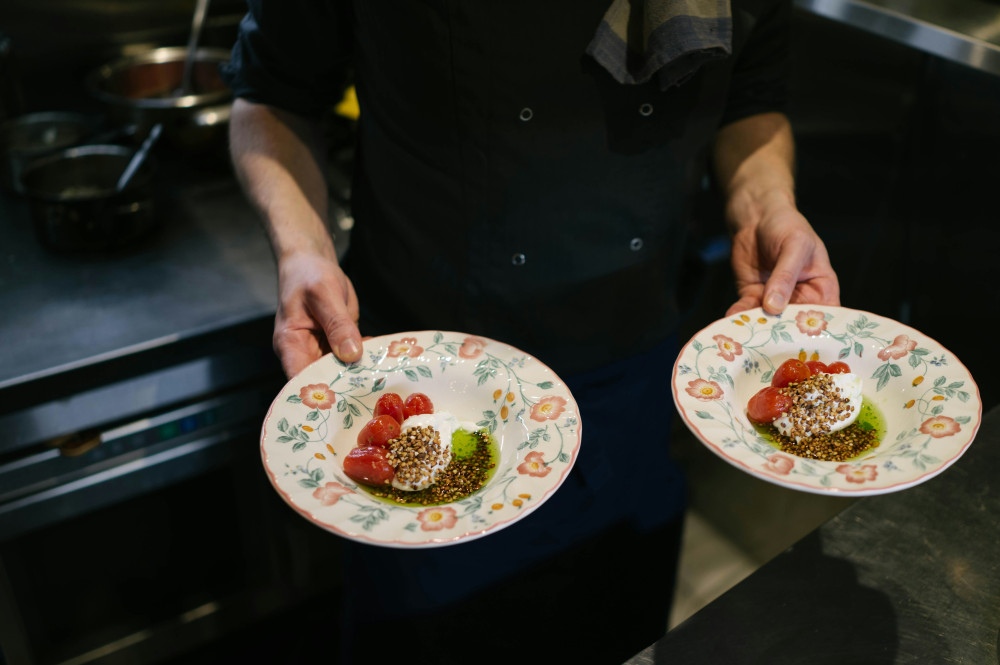
Boutique hotels and major chains alike are partnering with well-known chefs or local culinary entrepreneurs to create restaurants that stand on their own. In cities like Austin, Chicago, and Portland, hotel restaurants have become neighborhood favorites, drawing locals for weekend brunches or after-work cocktails. This shift transforms the hotel from a transient space into a lively part of the city’s social and culinary fabric.
Læs også:



Local Flavor and Authenticity
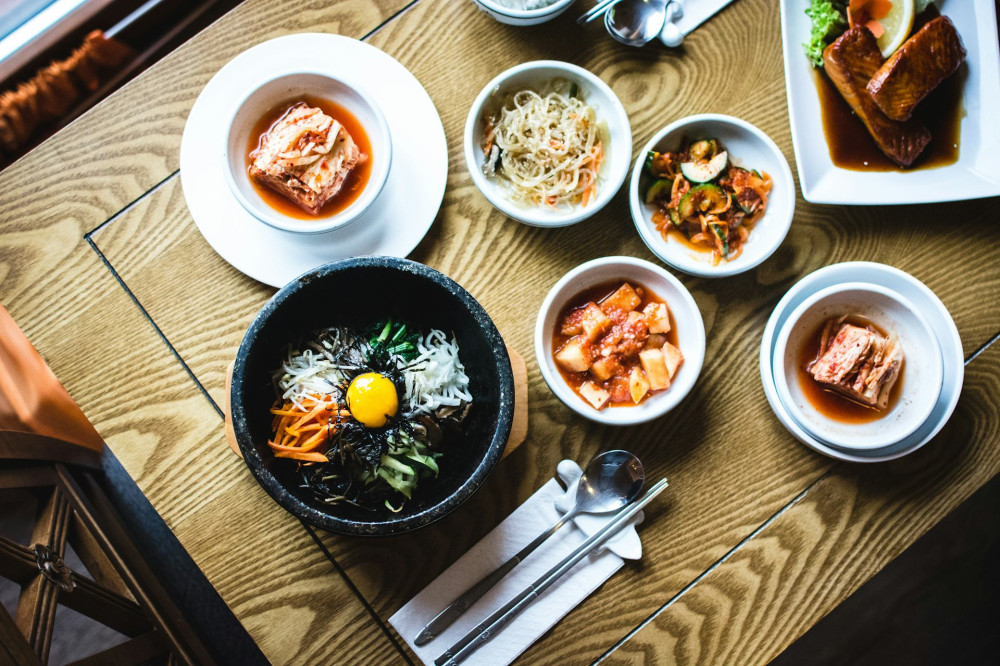
To win over local diners, hotel restaurants must offer more than convenience—they need a sense of place. That often means embracing regional ingredients and culinary traditions. A coastal hotel might highlight Gulf seafood or Pacific Northwest salmon, while a property in the Southwest could feature local chiles and heritage grains. The goal isn’t to mimic local cuisine superficially, but to interpret it in a way that feels authentic and fresh.
When a restaurant in Nashville serves dishes inspired by Southern comfort food with a modern twist, or a New England hotel celebrates seasonal produce from nearby farms, it creates a connection that resonates with both travelers and locals. Visitors get a genuine taste of the region, and residents see their own culture reflected in a new light.
Atmosphere and Accessibility
One of the biggest challenges for hotel restaurants is overcoming the perception that they’re only for guests. Design and communication play a crucial role here. A separate street entrance, visible signage, and an inviting interior can make a world of difference. So can an active social media presence and community-focused events—think live music nights, local art showcases, or charity dinners.
Pricing and tone matter, too. Locals often assume hotel dining means white tablecloths and high prices. By offering approachable menus, happy hour specials, or casual lunch options, restaurants can signal that they’re open to everyone. The most successful hotel restaurants manage to feel both refined and relaxed—a place where a business traveler and a neighborhood couple can feel equally at home.
Collaboration Between Hotel and Restaurant
When the hotel and restaurant operate in harmony, both benefit. Hotel guests enjoy a richer experience when they encounter a lively dining room filled with locals, while the restaurant gains a steady base of visitors from the hotel. Achieving that synergy requires mutual understanding. The hotel must give the restaurant creative freedom to develop its own identity, while the restaurant must align with the hotel’s standards of service and hospitality.
This partnership extends beyond logistics—it’s about shared storytelling. A cohesive narrative that connects the hotel’s design, the restaurant’s menu, and the overall guest experience can elevate both brands.
Becoming Part of the Community
The best hotel restaurants today act as neighborhood gathering spots. They host wine tastings, collaborate with local brewers, and invite residents to weekend brunches or holiday events. By engaging with the community, they shed the image of being isolated spaces for travelers and instead become integral parts of the local scene.
When that balance is achieved, something special happens: guests sense the authenticity and energy of a place that locals truly love, and locals take pride in a restaurant that welcomes the world. In that intersection—between hospitality and community—hotel restaurants find their new identity and lasting success.
Læs også: