Weight-Loss Meal Kits: An Easy Path to Healthier, Longer-Lasting Eating Habits

Weight-Loss Meal Kits: An Easy Path to Healthier, Longer-Lasting Eating Habits
In today’s fast-paced world, eating healthy can feel like a full-time job. Between work, family, and social commitments, finding the time to plan, shop, and cook balanced meals is a challenge—especially if your goal is to lose weight or simply eat better. That’s where weight-loss meal kits come in. They combine convenience with nutrition, helping you stay on track without the stress of meal planning or grocery shopping.
What Are Weight-Loss Meal Kits?
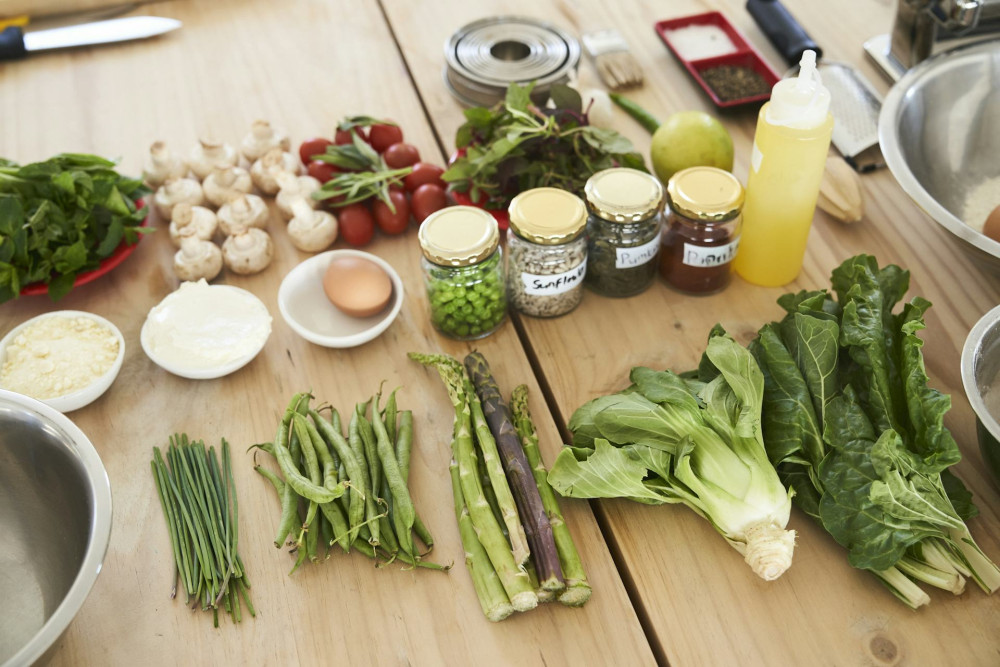
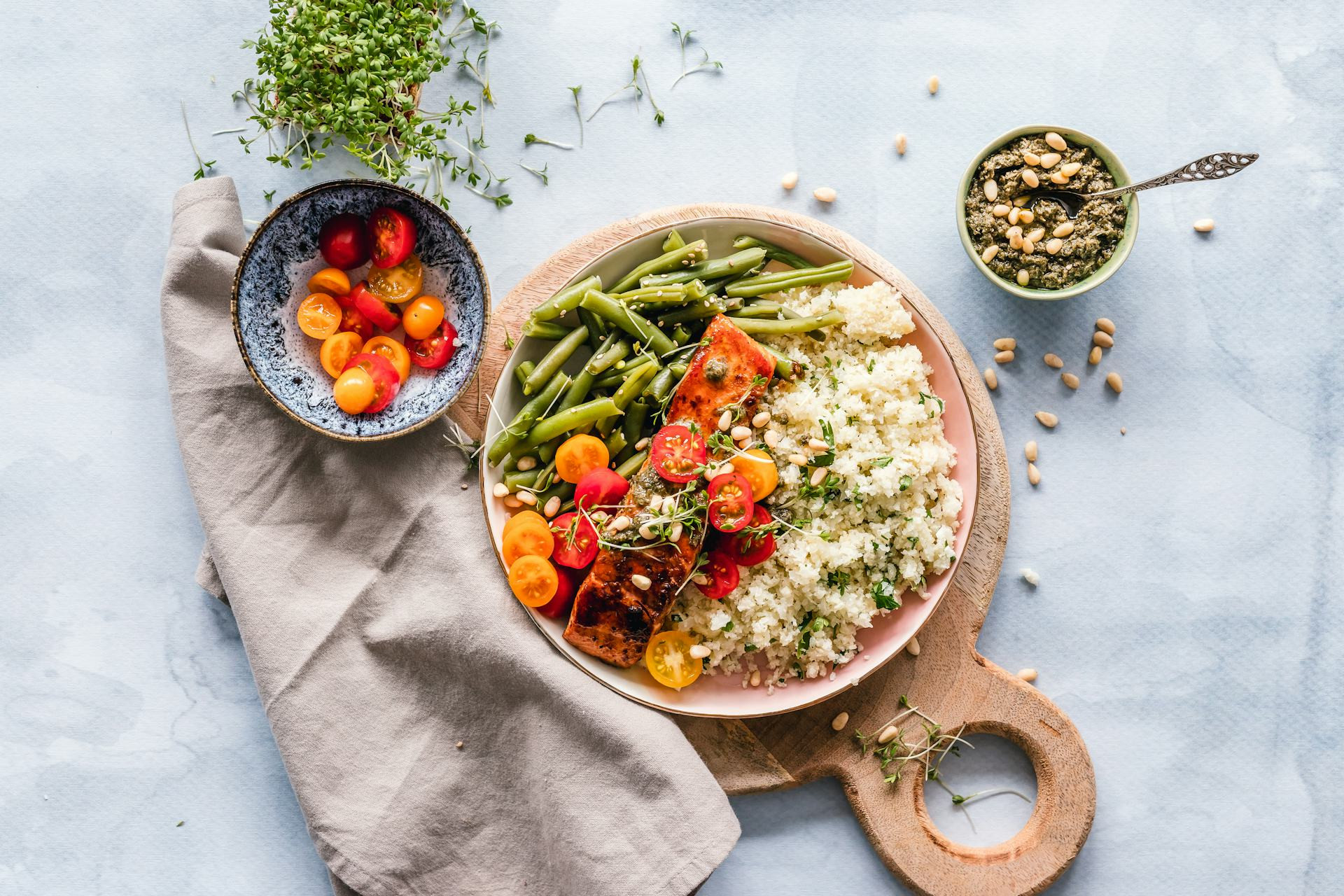
Weight-loss meal kits are a variation of the popular meal delivery services, designed specifically for people who want to manage their calorie intake while still enjoying satisfying, flavorful meals. Each kit typically includes pre-portioned ingredients and easy-to-follow recipes created by nutritionists or chefs. The goal is to make healthy eating simple, accessible, and enjoyable.
Most U.S. providers offer different calorie levels or dietary focuses—such as high-protein, low-carb, or plant-based options—so you can choose a plan that fits your lifestyle and goals. Whether you’re looking to shed a few pounds or maintain a balanced diet, there’s likely a kit that meets your needs.
The Benefits of Choosing a Weight-Loss Meal Kit
Many Americans find that meal kits make it easier to eat well and stick to their health goals. Here’s why:
- No impulse buys – You get exactly what you need for each recipe, avoiding the temptation of unhealthy snacks at the grocery store.
- Time savings – With meal planning and shopping done for you, you can focus on cooking and enjoying your food.
- Calorie control – Meals are portioned and nutritionally balanced, helping you stay within your daily calorie target.
- Variety and inspiration – You’ll discover new recipes and flavors that keep healthy eating interesting.
- Less food waste – Pre-measured ingredients mean you use everything you receive.
For many, meal kits provide structure—a key factor in building and maintaining healthy habits.
How Meal Kits Can Help You Build Better Eating Habits
Traditional diets often fail because they feel restrictive or unsustainable. Weight-loss meal kits, on the other hand, can serve as a practical tool for developing lasting habits. By following the recipes, you naturally learn about portion sizes, balanced nutrition, and healthy cooking methods. Over time, these lessons can carry over into your own meal planning, making it easier to make smart choices even without the kit.
Another advantage is reduced decision fatigue. When your meals are planned and ingredients are ready to go, you’re less likely to reach for takeout or convenience foods. That consistency can make a big difference in achieving long-term results.
What to Consider Before Choosing a Meal Kit
While weight-loss meal kits can be a great resource, it’s worth keeping a few things in mind:
- Cost – Meal kits are often more expensive than buying groceries yourself, but they save time and reduce waste.
- Portion sizes – Portions are designed for specific calorie goals. If you’re very active, you may need to supplement with healthy snacks.
- Long-term approach – Think of meal kits as a stepping stone toward sustainable habits, not a quick fix.
- Taste and preferences – Try different providers to find one that matches your flavor preferences and dietary needs.
Tips for a Healthier Everyday Routine
If you’re using meal kits as part of a broader lifestyle change, small daily habits can help reinforce your progress:
- Take short walks or add light exercise to your day.
- Choose water or unsweetened beverages over sugary drinks.
- Eat slowly and pay attention to your hunger cues.
- Stick to regular meal times to avoid unnecessary snacking.
These simple adjustments, combined with the structure of a meal kit, can make healthy living feel more natural and sustainable.
Læs også:



A Simple Way to Achieve Lasting Results
Weight-loss meal kits aren’t a magic solution, but they are a practical, supportive tool for anyone looking to eat better and feel better. By removing common barriers—like lack of time, planning, or inspiration—they make it easier to stay consistent and motivated.
For many people, they’re not just a convenient option—they’re the first step toward a more balanced, enjoyable, and lasting approach to healthy eating.
Læs også: