The World of Spirits: What Makes Whiskey, Rum, Gin, Vodka, and Liqueur Unique?


The World of Spirits: What Makes Whiskey, Rum, Gin, Vodka, and Liqueur Unique?
Spirits are more than just beverages—they’re expressions of culture, craftsmanship, and history. Each type of spirit has its own story, production method, and flavor profile that make it distinct. From whiskey’s smoky depth to gin’s botanical brightness and rum’s tropical sweetness, here’s a look at what makes these classic spirits so special.
Whiskey – Character, Craft, and Time
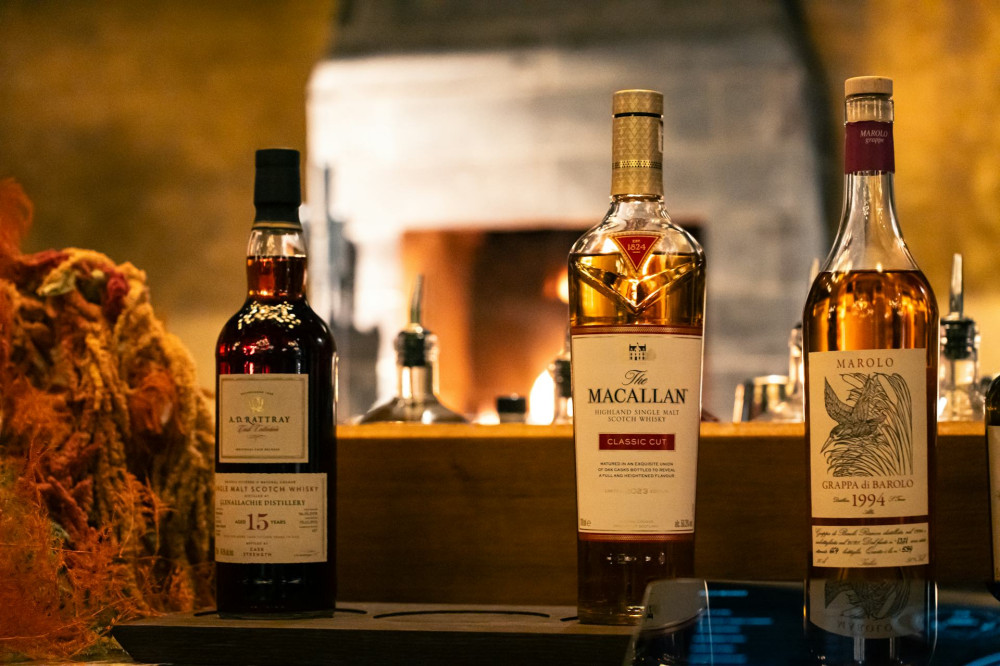
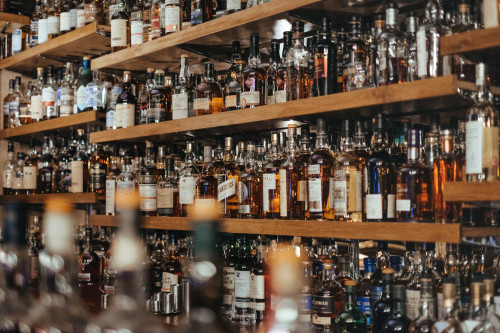
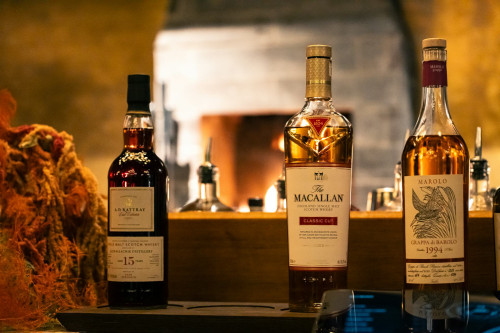
Few spirits carry as much tradition as whiskey. Made from fermented grain mash and aged in oak barrels, whiskey develops its rich color and complex flavor over time. The type of grain, the distillation process, and the aging environment all shape its character.
There are many styles of whiskey, but some of the most iconic include Scotch whisky, Irish whiskey, American bourbon, and Tennessee whiskey. Scotch often has earthy, smoky notes, while bourbon—made primarily from corn—tends to be sweeter, with hints of vanilla and caramel. Tennessee whiskey, filtered through charcoal before aging, has a smooth, mellow finish.
Whiskey can be enjoyed neat, with a splash of water, or in timeless cocktails like the Old Fashioned or Whiskey Sour.
Rum – Sweetness and Sunshine in a Glass
Rum’s roots lie in the Caribbean and Latin America, where sugarcane has been cultivated for centuries. It’s distilled from either sugarcane juice or molasses, and its flavor depends on the raw material, distillation method, and aging process.
Rum is typically categorized as light, gold, or dark. Light rum is crisp and subtle, perfect for cocktails like the Mojito or Daiquiri. Dark rum, aged longer in barrels, develops deeper flavors of caramel, spice, and molasses—ideal for sipping or mixing into warm drinks.
Each rum-producing region has its own style: Cuban rums are light and dry, Jamaican rums are bold and fruity, and Dominican rums often strike a smooth, balanced middle ground.
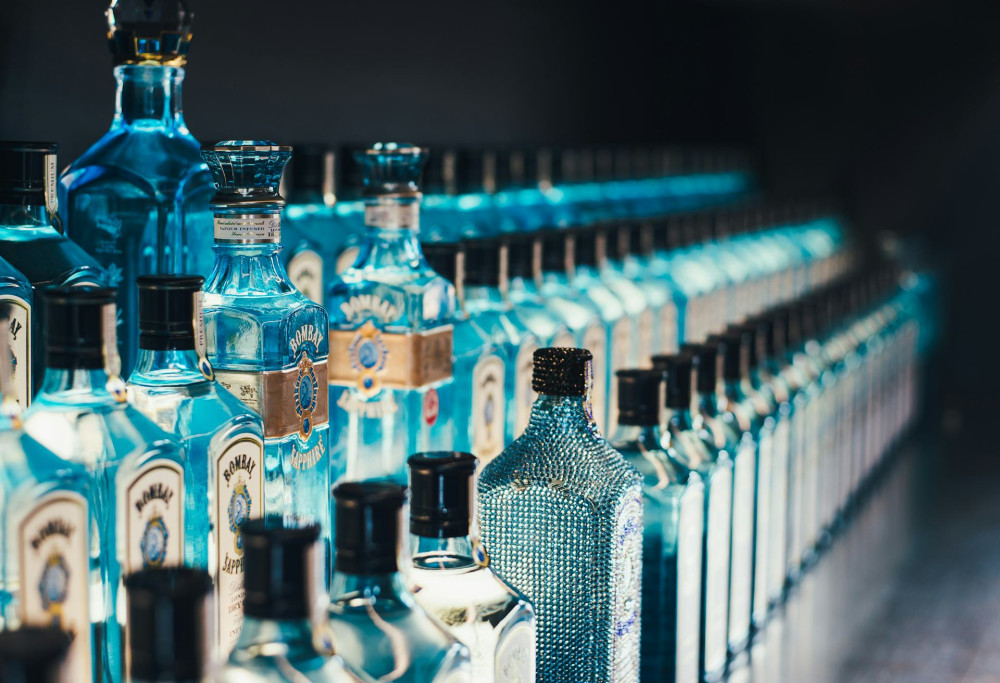
Gin – A Symphony of Botanicals
Gin stands out for its aromatic, herbal character. Its defining ingredient is juniper, but distillers also use a wide range of botanicals—such as coriander, citrus peel, cardamom, and lavender—to create unique flavor profiles. The result is a spirit that’s both complex and refreshing.
The most classic style is London Dry Gin, known for its crisp, dry taste and perfect balance in a Gin & Tonic. In recent years, American craft distillers have embraced gin’s versatility, experimenting with local botanicals and innovative flavor combinations, fueling a modern gin renaissance.
Gin’s versatility makes it a favorite in cocktails, from the Martini to the Negroni, offering endless possibilities for creativity.
Vodka – Purity and Versatility
Vodka is often associated with clarity and neutrality. Traditionally made from grains or potatoes, it can actually be distilled from almost any fermentable ingredient. After distillation, it’s filtered to achieve a clean, smooth taste.
While vodka is enjoyed neat in many Eastern European traditions, in the U.S. it’s best known as a cocktail staple. Its neutral flavor makes it the perfect base for drinks like the Bloody Mary, Moscow Mule, and Espresso Martini.
The quality of vodka depends on the distillation process and the purity of the water used. Many premium brands emphasize these details to create a silky, refined texture.
Læs også:
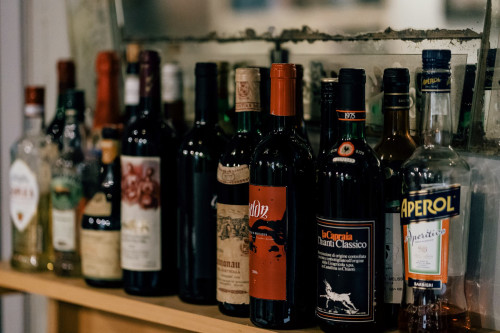
Liqueur – Sweetness, Flavor, and Creativity
Liqueurs differ from other spirits through their sweetness and flavor intensity. They’re made by infusing a base spirit with sugar, fruits, herbs, or spices, resulting in a wide range of styles—from fruity and floral to nutty and spiced.
Famous examples include Cointreau, Baileys Irish Cream, and Amaretto. Liqueurs can be enjoyed on their own, added to coffee or desserts, or used to enhance cocktails with layers of flavor and aroma.
Their versatility makes them a favorite for both home mixologists and professional bartenders looking to add a creative twist to classic drinks.
A World of Flavor and Tradition
Whether you’re drawn to whiskey’s depth, rum’s warmth, gin’s freshness, vodka’s purity, or liqueur’s sweetness, each spirit tells a story of craftsmanship and culture. Exploring the world of spirits isn’t just about tasting—it’s about discovering how ingredients, climate, and human creativity come together to create something truly timeless in every glass.
Læs også: