The Cafeteria as an Energy Source: Food, Breaks, and Work-Life Balance

The Cafeteria as an Energy Source: Food, Breaks, and Work-Life Balance
For many American workplaces, the cafeteria is more than just a place to grab lunch. It’s a social hub, a mental reset zone, and a key part of employee well-being. In a culture where workdays are long and the line between professional and personal life often blurs, the cafeteria can play a vital role in restoring balance—physically, mentally, and socially. But how can food and breaks become genuine sources of energy rather than just quick interruptions in the day?
Food as Fuel—and as an Experience
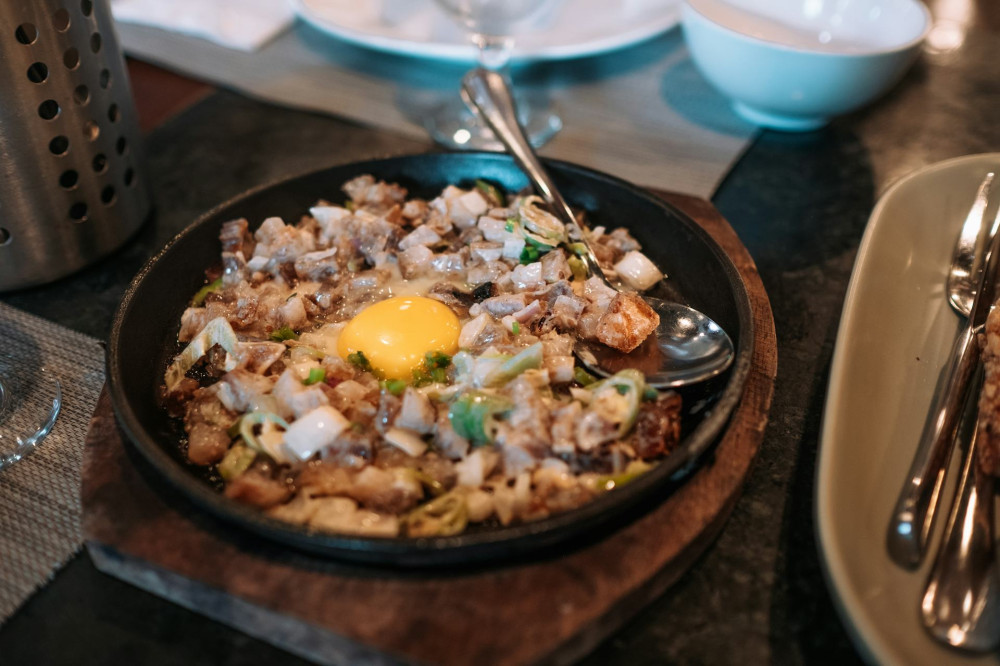
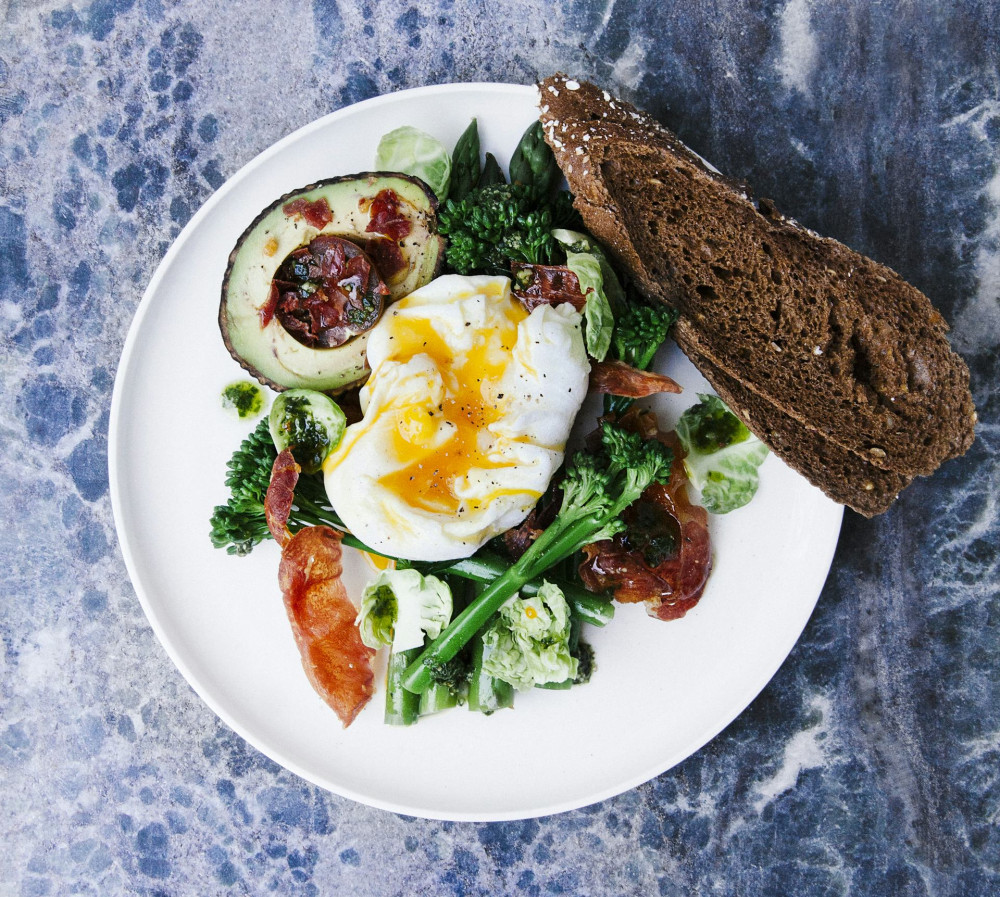
A balanced meal at midday does more than satisfy hunger. It fuels focus, supports mood, and enhances collaboration. Yet healthy food doesn’t have to be boring. Many U.S. companies are rethinking cafeteria menus to make nutritious options appealing—colorful salads, plant-based bowls, and locally sourced ingredients are becoming the norm rather than the exception.
Corporate wellness programs increasingly include the cafeteria as part of their strategy. Some companies partner with local farms, reduce food waste, or offer incentives for choosing healthier meals. When employees see lunch as a choice that supports their well-being, not a rushed necessity, it becomes a positive and energizing part of the workday.
The Break as a Productive Investment
In the U.S., skipping lunch or eating at one’s desk has become common, especially in fast-paced industries. But research consistently shows that real breaks improve productivity, creativity, and mental health. Stepping away from the screen, even for 20 minutes, helps the brain reset and boosts focus for the rest of the day.
The cafeteria can serve as a natural space for this kind of restoration. It’s a place to talk about something other than work, share a laugh, and let the mind wander. These informal moments often spark new ideas and strengthen team relationships—benefits that no meeting agenda can replicate.
Community and Culture at the Lunch Table
Food brings people together, and that’s as true in the workplace as anywhere else. The lunch table is one of the few places where job titles fade and genuine conversation flows. It’s where departments that rarely interact can connect, and where a sense of belonging takes root.
A strong cafeteria culture can therefore be a strategic asset. When leadership encourages shared breaks and invests in a welcoming dining space, it sends a clear message: people matter. Simple initiatives—like themed lunch days, shared mealtimes, or highlighting regional ingredients—can build pride and engagement across the organization.
The Cafeteria in a Hybrid Work Era
As hybrid work becomes the norm, the cafeteria’s role is evolving. For employees who spend part of the week at home, the office cafeteria can be a reason to come in—a place to reconnect with colleagues and recharge. Some companies are even redesigning their cafeterias to feel more like community cafés, emphasizing comfort, conversation, and connection.
Thinking of the cafeteria as an energy source means looking beyond the food itself. It’s about creating an environment where employees feel valued, nourished, and re-energized—ready to take on the rest of the day with focus and positivity.
Læs også:
Small Steps, Big Impact
Transforming the cafeteria doesn’t require a massive overhaul. Small, thoughtful changes can make a big difference:
- Offer variety – rotate menus and include seasonal, local ingredients.
- Protect the break – encourage everyone to step away from their desks at lunchtime.
- Listen to employees – gather feedback and let staff help shape the cafeteria experience.
- Think sustainably – reduce waste and support local producers.
When the cafeteria becomes a place people look forward to visiting, it fuels not only the body but also the spirit—strengthening energy, community, and overall job satisfaction.
Læs også: