Takeout in a New Era: Digital Platforms Make Ordering and Delivery Easier and More Flexible

Takeout in a New Era: Digital Platforms Make Ordering and Delivery Easier and More Flexible
Takeout has evolved from a convenient backup plan to an essential part of everyday life for millions of Americans. What once required a phone call to the local pizza place now happens with a few taps on a smartphone. Digital platforms have made ordering food simpler, faster, and more flexible than ever—whether you’re at home, at work, or on the go. But this shift isn’t just about convenience. It’s changing how we think about meals, time, and the way we connect with local restaurants.
From Phone Orders to the App Economy
A decade ago, takeout often meant limited options and long waits. Today, platforms like DoorDash, Uber Eats, and Grubhub bring thousands of restaurants together in one place. Users can browse menus, compare prices, read reviews, and track their delivery in real time—all without leaving the couch.
This digital transformation has created new transparency and competition. Restaurants gain access to a much larger customer base, while consumers enjoy more choices and faster service. The ability to follow an order from kitchen to doorstep has become a standard expectation, adding a sense of control and reliability to the experience.
Flexibility as the New Standard
One of the biggest advantages of digital takeout platforms is flexibility. You can order food whenever it fits your schedule—whether it’s a quick lunch between meetings, a late-night snack after a workout, or a family dinner on a busy weeknight.
Many apps now offer scheduled deliveries, allowing customers to plan ahead and have meals arrive exactly when needed. This feature has become especially popular among families juggling multiple activities and professionals balancing unpredictable work hours. Takeout has become less of a last-minute decision and more of a planned part of daily life.
New Opportunities for Restaurants and Drivers
For restaurants, digital platforms have opened the door to new markets. Small, independent eateries can now reach customers far beyond their immediate neighborhoods. Many have adapted their menus for delivery, offering dishes that travel well and maintain quality. Data analytics also help restaurants understand customer preferences and adjust offerings accordingly.
The delivery workforce has changed too. Many drivers work as independent contractors, choosing their own hours and routes. This flexibility appeals to students, part-time workers, and those seeking supplemental income. However, it has also sparked ongoing debates about fair pay, benefits, and job security—issues that continue to shape the future of the gig economy in the U.S.
Sustainability and Shifting Consumer Habits
As takeout becomes more common, sustainability has moved to the forefront. Consumers are increasingly concerned about packaging waste, carbon emissions, and local sourcing. In response, many platforms and restaurants are introducing eco-friendly packaging, bicycle deliveries, and carbon offset programs. Some even allow customers to opt out of disposable utensils and napkins.
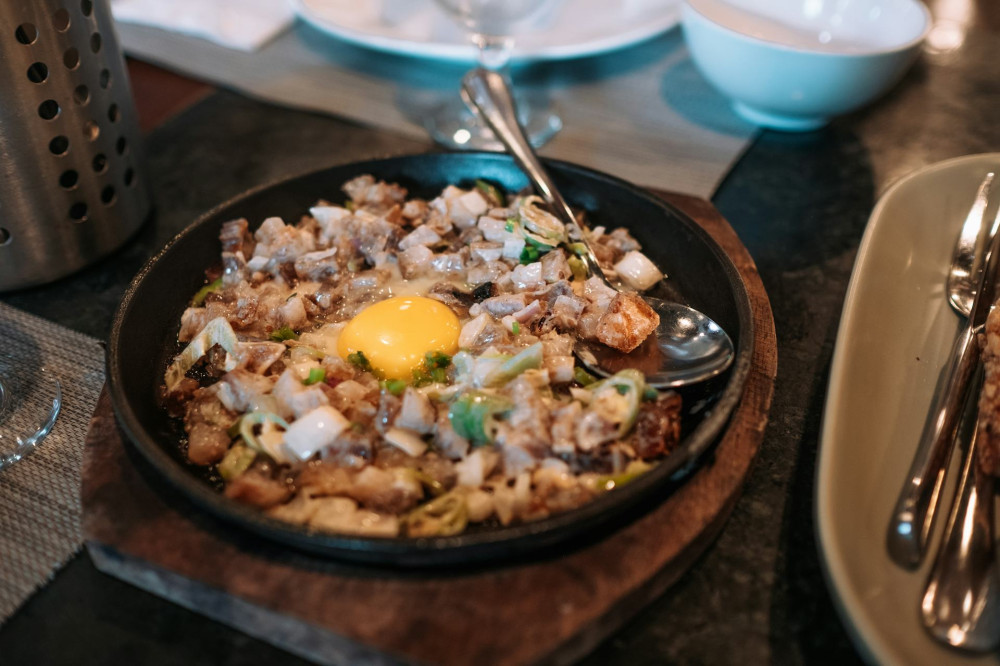
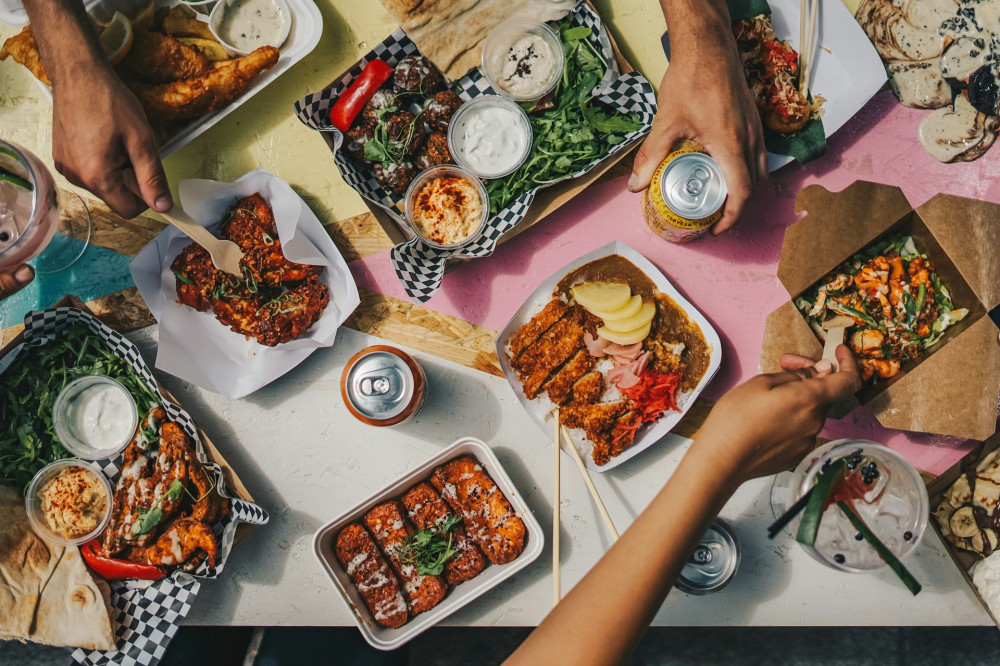
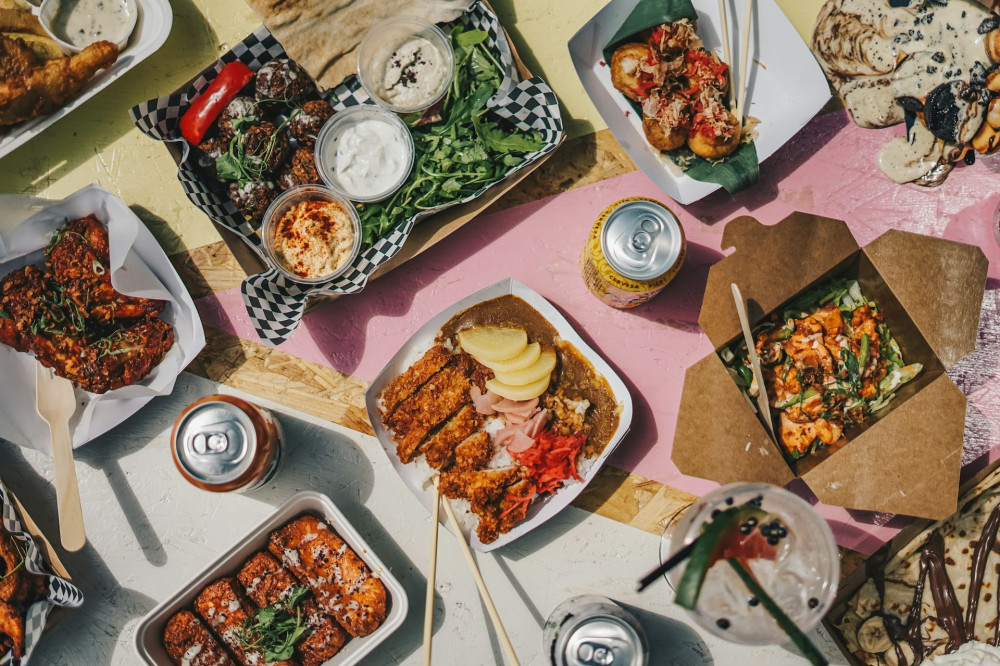
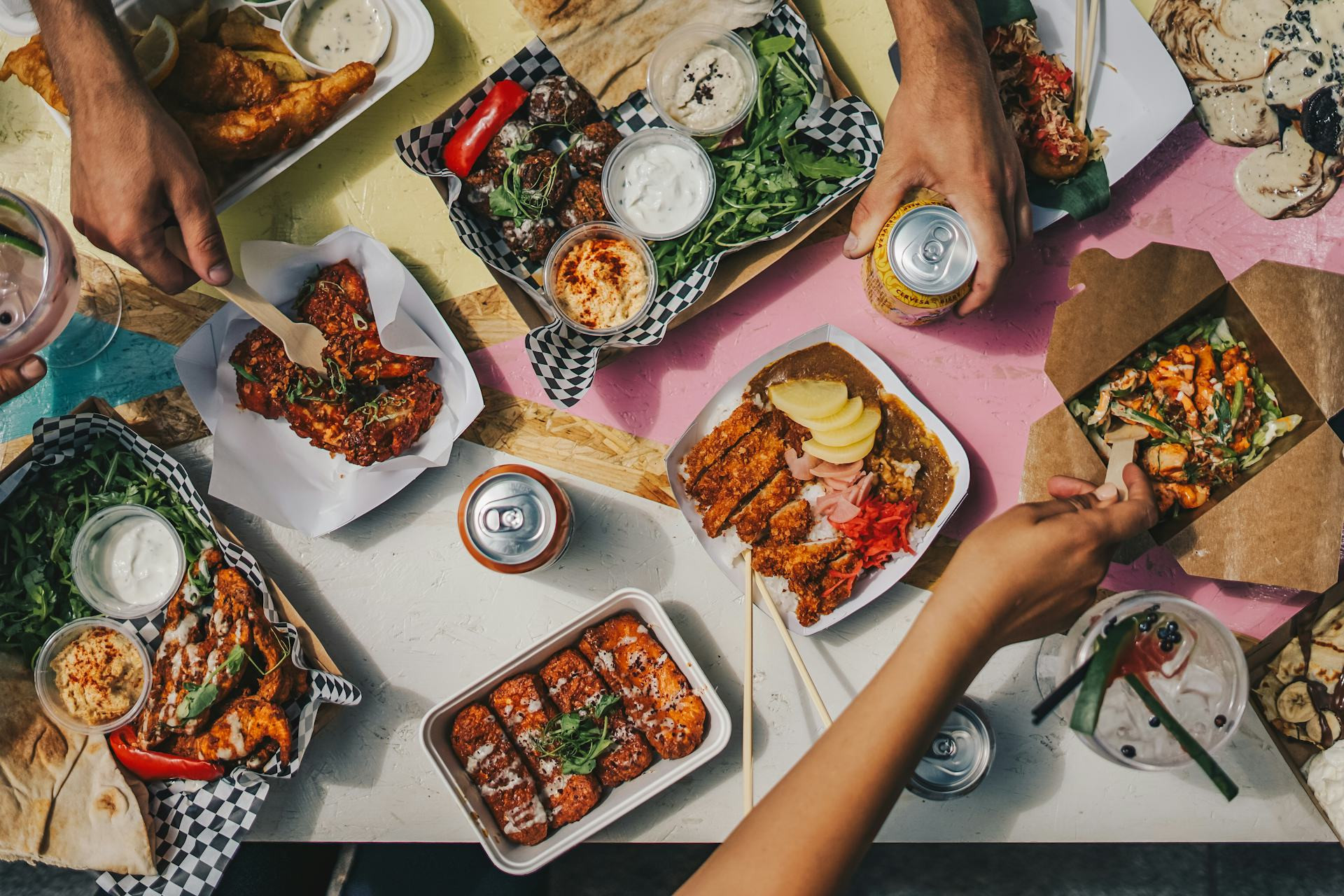
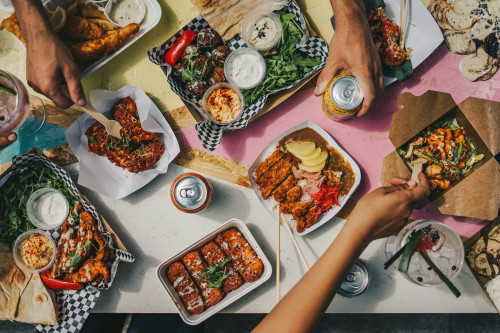
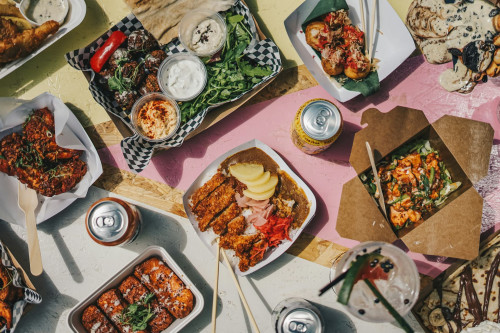
At the same time, the variety of takeout options has expanded dramatically. What used to mean burgers and pizza now includes everything from poke bowls and vegan tacos to gourmet pasta and farm-to-table meals. Takeout is no longer synonymous with “fast food”—it’s a flexible dining option that fits a wide range of tastes and lifestyles.
The Future of Takeout – Beyond Delivery
The evolution of takeout is far from over. Artificial intelligence and automation are beginning to shape the industry, offering personalized recommendations, optimized delivery routes, and even experiments with drone or robot deliveries. Some platforms are integrating takeout with grocery and meal-kit services, creating a seamless digital food ecosystem.
For consumers, this means even greater freedom to choose how and when to eat. For restaurants, it means new ways to connect with customers—not just through flavor, but through technology and experience.
Læs også:
A New Everyday Routine
Today’s takeout is about more than getting food quickly. It’s about flexibility, choice, and fitting meals into modern life on your own terms. Digital platforms have turned restaurant dining into something that can happen anywhere, anytime—whether you’re treating yourself, saving time, or exploring new cuisines.
Technology has transformed one of life’s simplest routines into something dynamic and personal. Takeout is no longer just a meal in a bag—it’s a reflection of how we live, work, and eat in a digital age.
Læs også: