Natural Cork or Screw Cap? How to Handle Wine Bottles Properly

Natural Cork or Screw Cap? How to Handle Wine Bottles Properly
When you open a bottle of wine, it’s not just what’s inside that matters – the closure plays a big role too. Natural corks, screw caps, and synthetic stoppers each have their own advantages and drawbacks, influencing the wine’s flavor, longevity, and environmental footprint. But how should you handle wine bottles correctly, no matter which closure they have? Here’s a guide to understanding the differences and to storing and recycling your wine bottles the right way.
Natural Cork – Tradition and Character
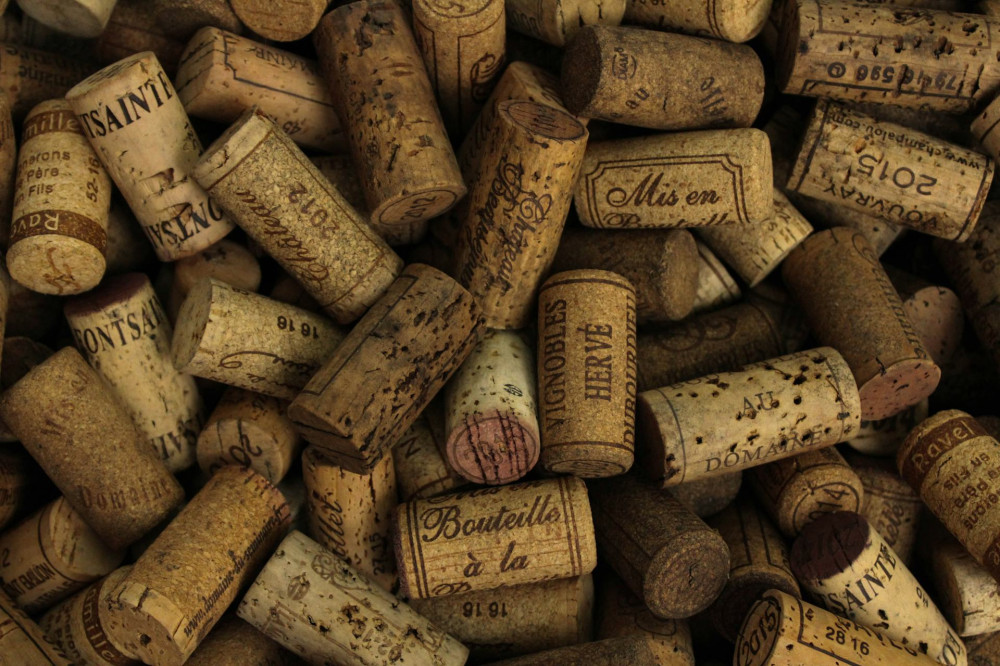
Natural cork is the classic closure that many associate with quality and tradition. It’s made from the bark of the cork oak tree, primarily grown in Portugal and Spain. Cork allows a tiny amount of oxygen to enter the bottle, which can help certain wines develop complexity over time.
However, natural cork has its challenges. Occasionally, a cork can be affected by “cork taint,” which gives the wine an unpleasant musty smell. Corks also need proper storage conditions – bottles should be kept on their sides so the cork stays moist and doesn’t dry out.
How to handle wine with natural cork:
- Store bottles on their sides, ideally at 50–59°F (10–15°C) with minimal temperature fluctuations.
- Use a quality corkscrew to avoid breaking the cork.
- If you don’t finish the bottle, use a vacuum stopper to preserve the wine for a few extra days.
Screw Cap – Convenient and Reliable
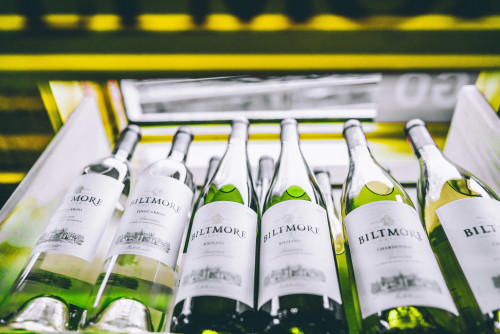
Screw caps have become increasingly popular, especially for wines from Australia, New Zealand, and the U.S. West Coast. They’re easy to open, require no corkscrew, and keep the wine fresh without the risk of cork taint. For many modern winemakers, a screw cap is a sign of quality, not cheapness.
Screw caps are ideal for wines meant to be enjoyed young, but recent research shows they can also work for aging, as they can be engineered to allow controlled oxygen exchange.
How to handle wine with a screw cap:
- Bottles can be stored upright since there’s no cork to keep moist.
- Reseal tightly after opening to maintain freshness.
- Keep bottles away from direct sunlight and heat – that rule applies to all wines.
Synthetic Corks – A Middle Ground
Synthetic corks, made from plastic or plant-based materials, aim to combine the best of both worlds: the traditional look of cork with the reliability of a screw cap. They eliminate the risk of cork taint and can often be recycled as plastic, depending on local recycling programs.
On the downside, some synthetic corks can be harder to remove, and certain types allow more oxygen into the bottle than desired, which can shorten the wine’s shelf life.
How to handle wine with a synthetic cork:
- Store bottles on their sides if you’re unsure of the material.
- Use a gentle corkscrew to avoid damaging the stopper.
- Check your local recycling guidelines – many synthetic corks can go in plastic recycling.
Læs også:



Storage and Recycling – Doing It Right
No matter the closure, a few general rules help preserve your wine’s quality:
- Temperature: Keep wine cool and stable, ideally between 50 and 59°F.
- Light: Avoid direct sunlight, which can damage both the wine and the label.
- Stillness: Store bottles in a quiet place – vibrations can disturb the aging process.
When the bottle is empty, you can still make an eco-friendly choice:
- Glass bottles should go in your local glass recycling bin – a quick rinse is enough.
- Natural corks can sometimes be dropped off at collection points (some Whole Foods stores and recycling centers accept them) for reuse in flooring or crafts.
- Screw caps and synthetic corks should be sorted as metal or plastic, depending on the material.
Which Should You Choose?
There’s no single right answer. If you love tradition and plan to age your wine, natural cork remains a great option. If you value convenience and freshness, screw caps are ideal. And if you want to avoid cork taint but still enjoy a classic feel, synthetic corks offer a good compromise.
The key is to handle your bottles properly – from storage to recycling. That way, you’ll get the most out of your wine and do your part for the environment.
Læs også: