Heart-Healthy Food on the Go – Small Choices, Big Impact


Heart-Healthy Food on the Go – Small Choices, Big Impact
A busy schedule often means meals happen in the car, at your desk, or between meetings. But even when time is short, you can still make choices that protect your heart. Small, mindful decisions each day can add up to a big difference for your long-term health. Here’s how to keep your heart in good shape, even when you’re constantly on the move.
Start Your Day with a Strong Foundation
Breakfast sets the tone for the rest of the day. A balanced start gives you steady energy and helps prevent cravings for sugary or high-fat foods later on. Choose whole grains, lean proteins, and fruit instead of processed or sugary options.
- Oatmeal or overnight oats topped with berries and nuts provide fiber and healthy fats.
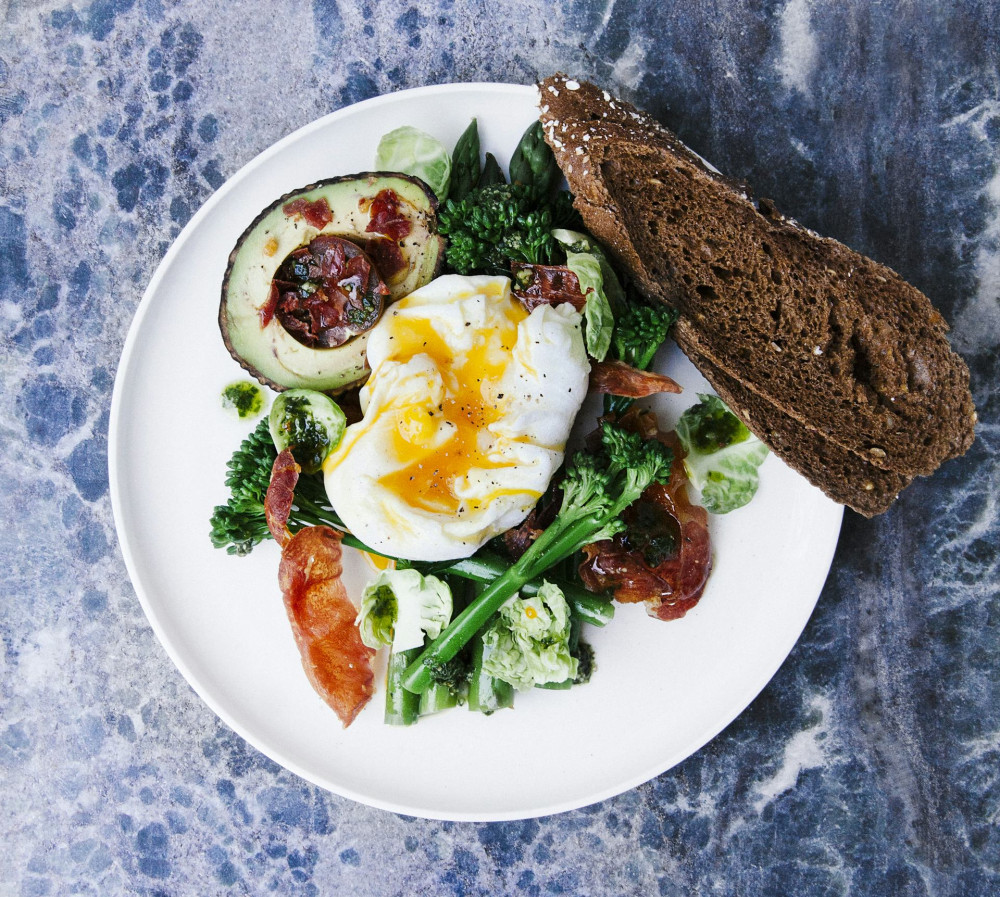
- Whole-grain toast or an English muffin with avocado, cottage cheese, or turkey slices makes a quick, portable meal.
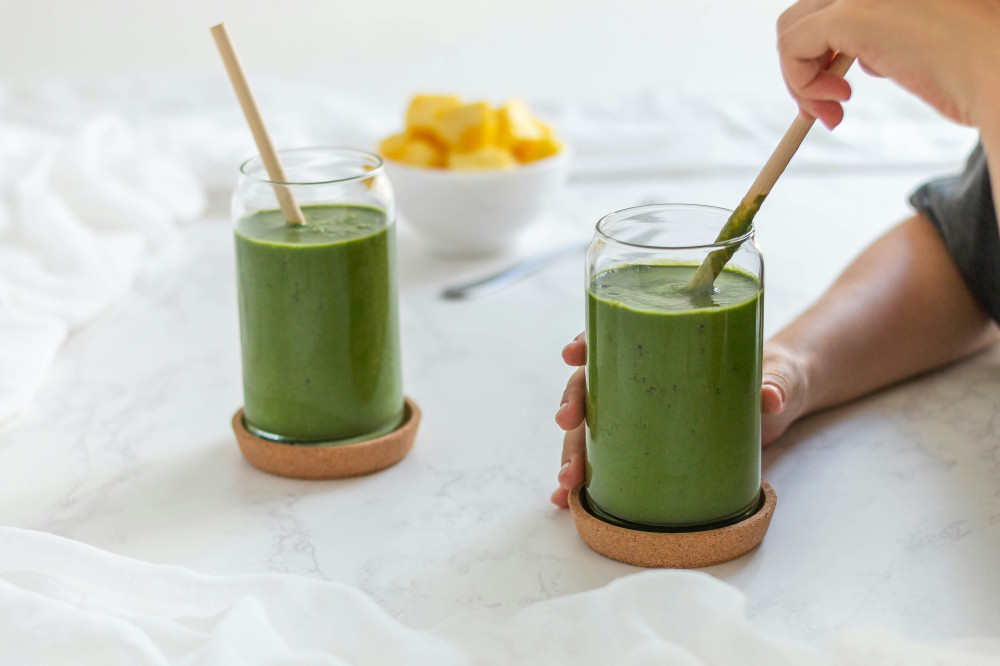
- Smoothies made with Greek yogurt, spinach, and fruit can be a convenient option—just remember they may not keep you full as long as solid food.
The key is to avoid refined carbs that cause blood sugar spikes and crashes.
Smart Choices for Lunch and Snacks
When lunch has to happen on the go, fast food can be tempting. But many cafés, convenience stores, and even gas stations now offer healthier options if you know what to look for.
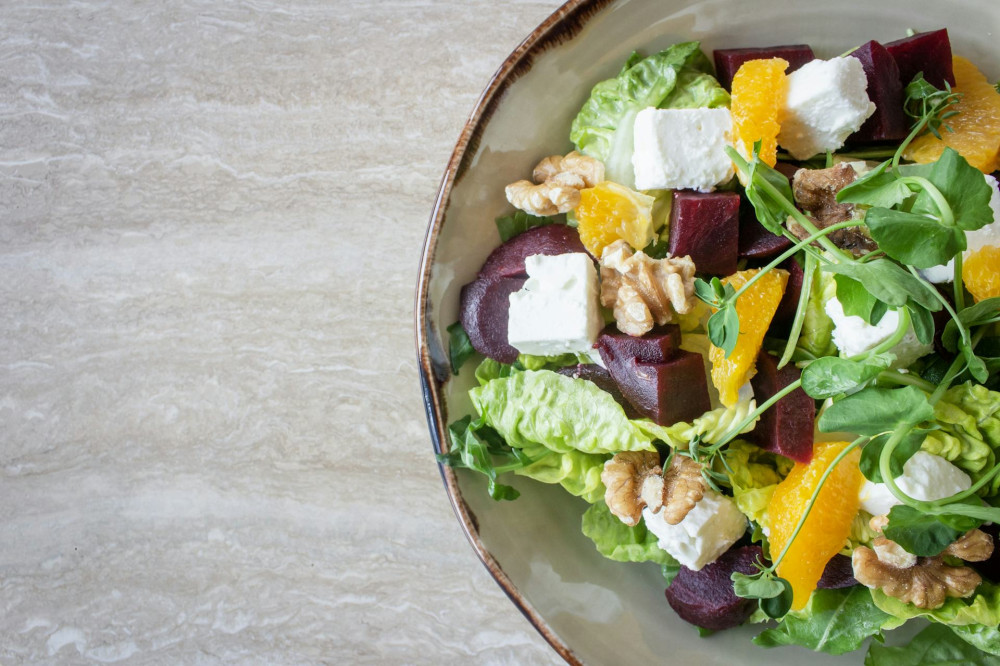
- Choose salads with beans, grilled chicken, or salmon instead of those loaded with bacon or creamy dressings.
- Pick whole-grain wraps or sandwiches instead of white bread for more fiber and lasting energy.
- Keep nuts, fruit, or veggie sticks in your bag or car for quick snacks. They’ll help you avoid reaching for chips or candy when hunger hits.
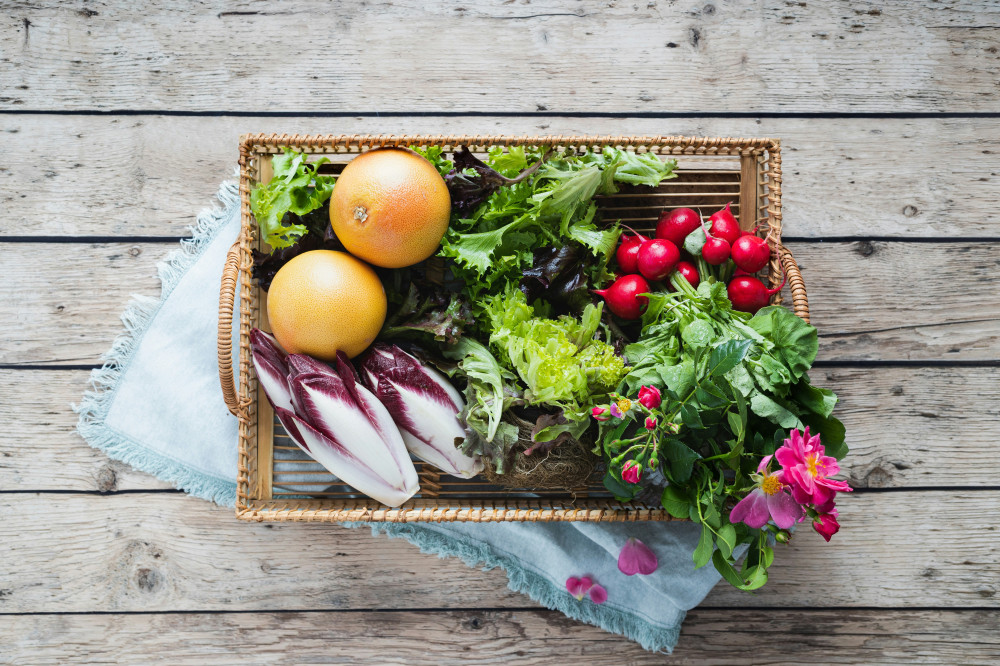
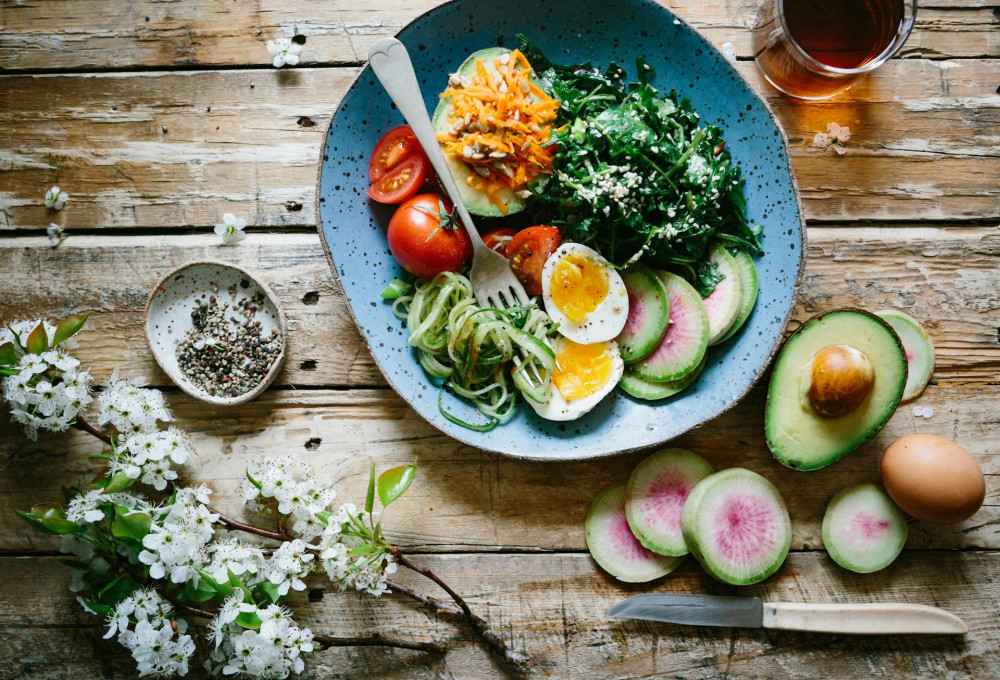
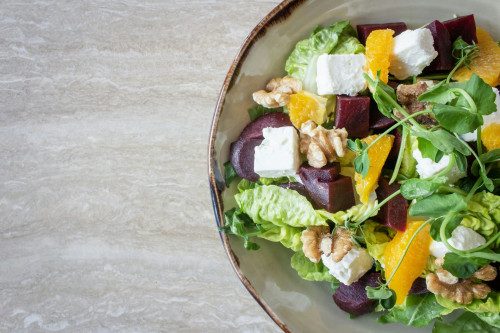
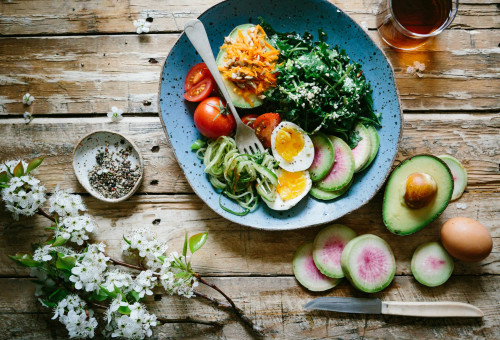
A good rule of thumb: the more colors on your plate, the more nutrients you’re getting.
Læs også:
Beverages – The Hidden Trap
Drinks can be a major source of added sugar and empty calories. Sodas, energy drinks, and sweetened coffee beverages can quickly become habits that strain your heart and blood sugar levels.
- Make water your go-to drink—add a slice of lemon, cucumber, or mint for flavor.
- Coffee and tea are fine in moderation, but skip the heavy cream and sugar.
- If you crave something fizzy, try sparkling water with natural flavor and no added sugar.
Small changes in what you drink can have a big impact over time.
Choose the Right Fats
Fat isn’t the enemy—what matters is the type of fat you eat. Saturated fats from red meat, butter, and cheese should be limited, while unsaturated fats from plants and fish are beneficial for your heart.
- Use olive or canola oil instead of butter for cooking.
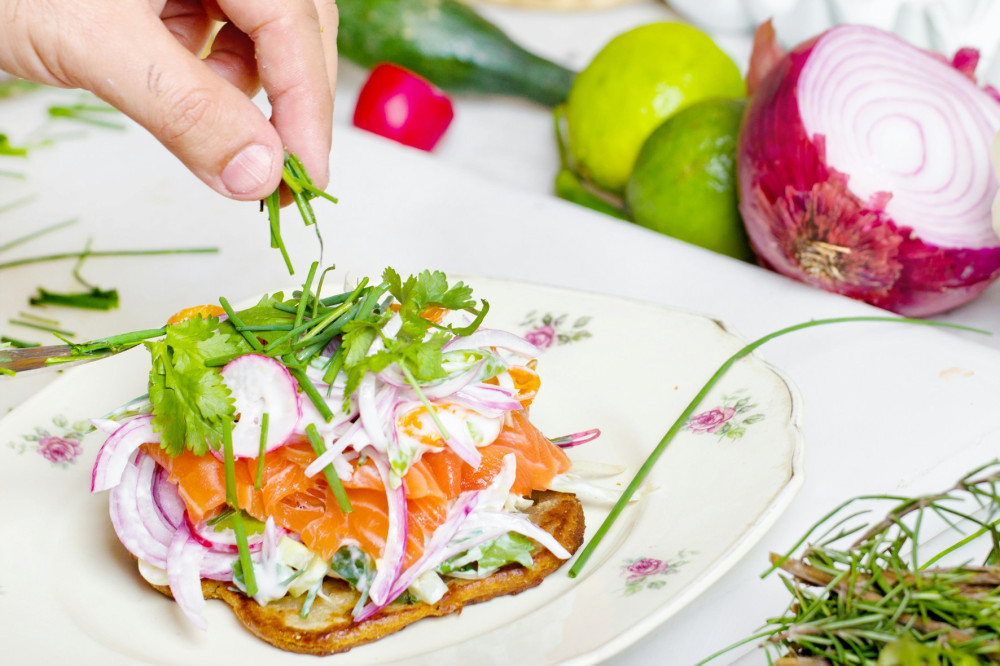
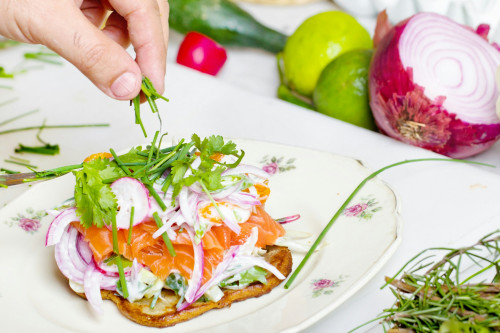
- Eat fatty fish like salmon, trout, or sardines a couple of times a week.
- Snack on almonds, walnuts, or avocado for heart-healthy fats.
These fats help lower bad cholesterol and support healthy blood vessels.
Planning Makes the Difference
It may sound simple, but planning ahead is the secret to eating well on the go. When healthy options are ready and available, it’s easier to make good choices.
- Pack your lunch the night before to avoid last-minute fast-food runs.
- Keep small containers of nuts, fruit, or cut-up veggies in your car or bag.
- Use Sunday meal prep time to boil eggs, chop vegetables, and portion out meals for the week.
When you make healthy eating convenient, it quickly becomes second nature.
Small Steps, Big Results
Eating for a healthy heart isn’t about perfection—it’s about balance. You don’t have to change everything overnight. Start with one area—maybe breakfast or beverages—and build from there.
Over time, those small choices add up. You’ll have more energy, better focus, and a stronger heart—all without giving up the convenience your busy life demands.
Læs også: