Give Leftovers New Life – Sustainable and Creative Ideas for the Catering Kitchen


Give Leftovers New Life – Sustainable and Creative Ideas for the Catering Kitchen
In a busy catering kitchen, where large quantities of food are prepared every day, food waste can quickly become a challenge—both financially and environmentally. But with a bit of planning, creativity, and care, leftovers can turn from a problem into a valuable resource. Here’s how you can give leftovers new life while strengthening your business’s sustainable profile.
Planning Is the Key to Less Waste
The first step toward a more sustainable catering operation is careful planning. Overproduction is one of the biggest causes of food waste, so it pays to analyze past events and adjust quantities accordingly.
- Use data wisely – Track how much food is typically consumed at different types of events.
- Design flexible menus – Choose dishes that can be scaled up or down easily or repurposed into new meals.
- Communicate with clients – Align expectations about portion sizes and service style to avoid unnecessary overproduction.
Good planning not only reduces waste but also improves efficiency and profitability in the kitchen.
Turn Leftovers into New Dishes
Even with the best planning, leftovers will happen. The key is to think creatively and see possibilities instead of limitations.
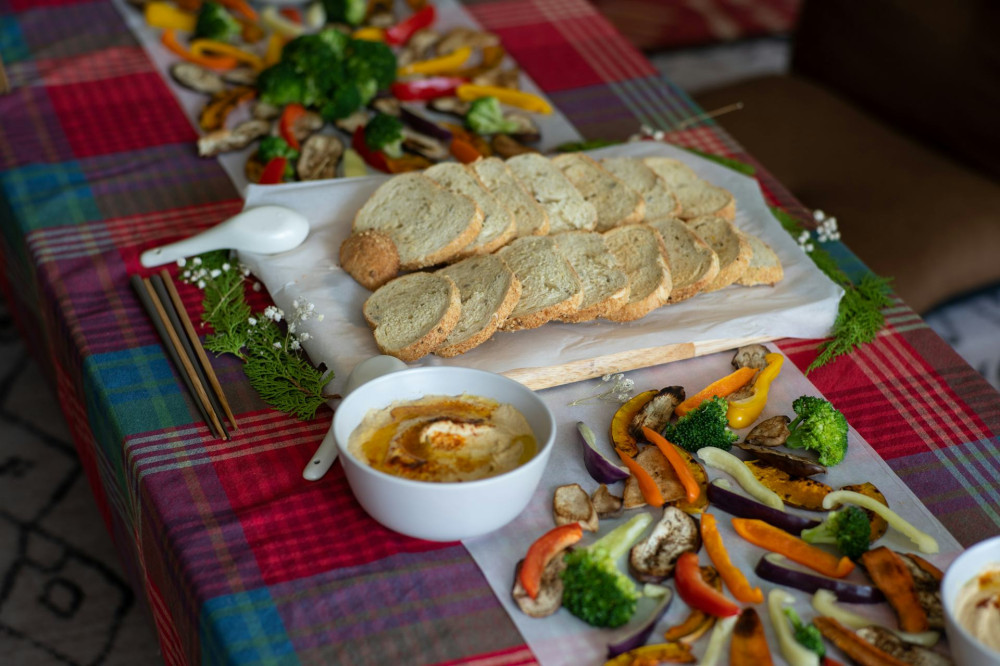
- Vegetable scraps can become soups, purées, or fillings for quiches and wraps.
- Meat and seafood can be transformed into salads, sandwiches, or toppings for grain bowls.
- Leftover bread can be turned into croutons, breadcrumbs, or sweet bread puddings.
- Cooked rice or pasta can find new life in risotto, frittatas, or cold salads.
Establishing a routine for how different types of leftovers are handled makes it easier to use them efficiently—without compromising quality or food safety.
Freeze, Ferment, and Transform
Techniques like freezing, fermenting, and dehydrating can extend shelf life and add exciting new flavors to your menu.
- Freezing works well for sauces, stocks, and baked goods that can be used later.
- Fermenting gives vegetables a second life as kimchi, sauerkraut, or pickles—perfect for buffets or sandwich bars.
- Dehydrating herbs, fruits, or vegetables can create flavorful spice blends or crunchy snacks.
These methods require some planning but can help define your kitchen’s signature style while significantly reducing waste.
Make Sustainability Part of Your Story
Clients increasingly value sustainability, and the catering industry has a unique opportunity to lead by example. By sharing how you repurpose leftovers and make full use of ingredients, you can strengthen your brand and add value for your customers.
Highlight your efforts on menus, proposals, or social media. Transparency shows responsibility—and can set you apart from competitors.
Læs også:



Engage the Whole Team
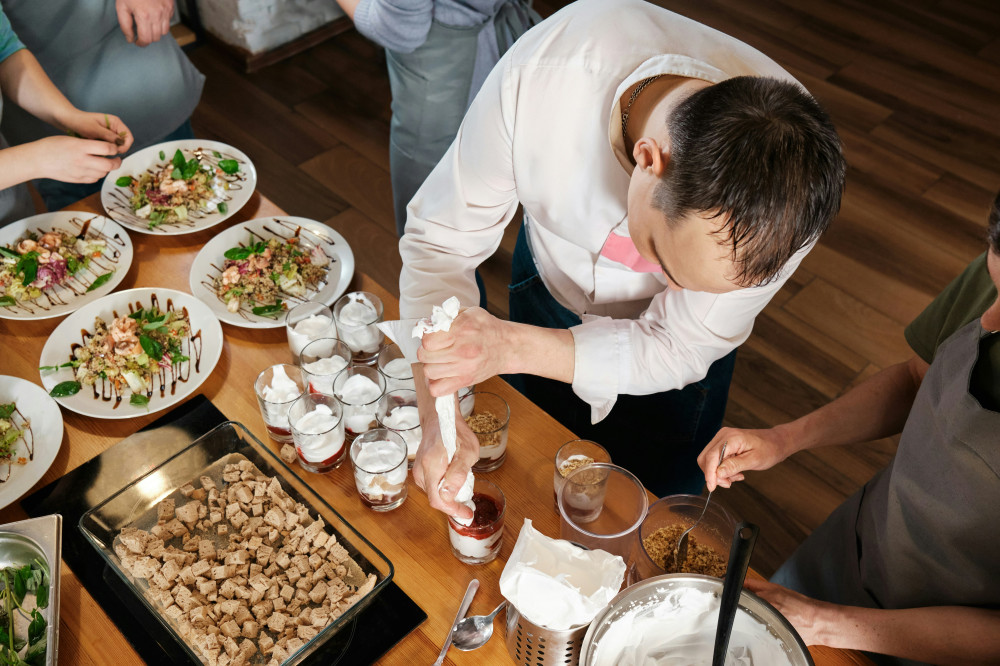
A sustainable approach works best when everyone in the kitchen is involved. Make it a shared mission to find new ways to use leftovers. Host short brainstorming sessions where staff can share ideas and recipes, and recognize initiatives that reduce waste.
When the whole team feels ownership, it’s easier to maintain good habits—and it fosters a culture where innovation and responsibility go hand in hand.
Small Steps, Big Impact
Giving leftovers new life isn’t about transforming your kitchen overnight. It’s about taking small, intentional steps that add up to a big difference.
By planning better, thinking creatively, and using preservation techniques, you can save money, reduce waste, and create new flavor experiences for your clients.
Sustainability in the catering kitchen isn’t just good for the planet—it’s good business.
Læs også: